The 7 Best Oil Stain Removers for Concrete in 2026
We tested degreasers, enzyme cleaners, and poultice absorbents against real driveway and garage floor oil stains — from fresh drips to years-old set-in grease. Oil Eater, Purple Power, Terminator-HSD — only 7 made the cut. Here's what actually lifts oil out of concrete and what's a waste of a Saturday.
Alex Rivers
Home Improvement Editor
Last Updated
July 17, 2026
In This Guide
An oil stain on a driveway or garage floor isn't just an eyesore — it's a chemical problem. Motor oil, transmission fluid, and grease don't sit on top of concrete the way dirt does; they soak into it, and the longer they sit, the deeper and more permanent the discoloration becomes. The right oil stain remover breaks that bond and lifts the oil back out, whether it's an hour old or a decade old. Here's what actually worked when we put the leading degreasers, enzyme cleaners, and poultice absorbents to the test.
1. Why Oil Stains Penetrate Concrete (And Why They're So Stubborn)
Concrete looks solid, but under a microscope it's a porous network of interconnected capillaries formed as the cement paste cures. Those pores are exactly what allow oil, grease, and other petroleum-based fluids to soak in rather than sit on the surface the way they would on glass or sealed tile. The moment a drop of motor oil lands on bare concrete, capillary action begins pulling it downward and outward, spreading it through the pore structure faster than most people realize — a fresh spill can penetrate meaningfully deep within the first 30-60 minutes.
Time is the single biggest factor in how hard a stain is to remove. A spill that's wiped up within minutes may leave only a faint mark, because most of the oil never had the chance to travel far into the pores. A spill that sits for days, weeks, or years behaves very differently: the oil continues migrating deeper, and UV exposure and oxidation gradually change its chemistry, causing it to harden and cross-link within the concrete's pore structure. This is why a fresh drip under a car often wipes away easily while the decade-old stain in the same spot seems to be a permanent part of the floor — chemically, it almost is.
Concrete porosity itself varies too. Older, unsealed driveways and garage floors — the most common oil-stain victims — tend to be more porous than newer concrete poured with modern low-permeability mixes, and they have no sealer film to slow oil penetration in the first place. This combination of high porosity, long dwell time, and oxidized, hardened oil is exactly what the best oil stain remover for concrete has to overcome: it must penetrate as deep as the oil did, chemically break it back down or absorb it, and hold it in suspension long enough to rinse it out rather than let it re-settle into the pores.
Fresh Spill vs. Old Stain: What Changes
30-60 min
Time for a fresh spill to penetrate meaningfully
5-15 min
Typical dwell time for fresh-stain removers
20-30+ min
Dwell time needed for years-old, oxidized stains
2-3 treatments
Often needed for the oldest, deepest stains
2. Types of Oil Stain Removers: Which One Is Right for You?
Not every oil stain remover works the same way, and picking the wrong category for your situation is the most common reason people give up thinking "nothing removes oil stains from concrete." Here are the four main approaches, and where each one shines.
Absorbent Poultice Powders
Products like Oil-Dri Absorbent Granules use clay or diatomaceous earth to physically pull liquid oil out of the concrete's surface through capillary action before it has a chance to cure into a permanent stain. This is the best first-response tool for a fresh spill — pour it on immediately, let it sit for a few hours to overnight, then sweep it away. Poultices don't remove staining that has already set; they only prevent it from getting worse. Best for: the first 24 hours after any spill, and as ongoing insurance in a garage.
Enzyme / Bio-Based Degreasers
Chomp! Grease & Oil Stain Remover uses live bacterial cultures and enzymes that consume hydrocarbons, converting oil into water and carbon dioxide rather than just suspending it in a cleaning solution. These are the gentlest effective option — no fumes, no caustic chemicals — but they need the oil to still be somewhat accessible to bacteria, which means they perform best on stains that are days or weeks old rather than years old. Best for: fresh-to-moderate spills where you want a low-odor, family- and pet-safe treatment.
Solvent-Based Degreasers
Products like Terminator-HSD, Purple Power, and Oil Eater use surfactants and, in the heavier-duty formulas, solvent packages to chemically emulsify and break down oil so it can be scrubbed and rinsed away. This is the largest and most versatile category, spanning gentle water-based cleaners suitable for decorative concrete up to industrial-strength formulas built for years-old, oxidized grease. Best for: the majority of driveway and garage floor oil stains, from moderate to severe.
Pressure-Washer-Only Approaches
Many homeowners try blasting an oil stain with a pressure washer alone, with no chemical treatment first. In our testing, this consistently underperformed every dedicated cleaner on this list — water pressure removes loose surface dirt and grime effectively, but it does nothing to chemically break the bond between oil and the concrete's pore structure. Pressure washing is an excellent final rinse step after a degreaser has done its job, but as a standalone method it left visible staining behind in every test we ran, even on relatively fresh spills.
| Type | Best For | Mechanism | Scrubbing Needed? |
|---|---|---|---|
| Poultice Powder | Fresh spills, prevention | Capillary absorption | No — sweep away |
| Enzyme/Bio Degreaser | Fresh-to-moderate stains | Bacterial digestion | Minimal to none |
| Solvent-Based Degreaser | Moderate-to-severe stains | Chemical emulsification | Yes — stiff brush |
| Pressure Washer Only | Final rinse step only | Physical force (water) | N/A — not a standalone fix |
3. The 7 Best Oil Stain Removers for Concrete in 2026 — Tested & Ranked
We tested each product on matched sections of a garage floor and driveway with both fresh oil spills (applied for testing purposes) and genuinely old, years-set stains. We measured how much staining was removed after one and two treatments, dwell time required, scrubbing effort, and safety considerations. Here are the only 7 products we'd actually recommend keeping in a garage.
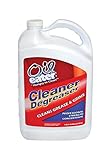
Oil Eater Original Cleaner Degreaser
Water-Based Citrus Degreaser
Oil Eater Original earned the top spot in our testing because it's the only product we tried that performed well across the entire spectrum of oil stains — from a fresh transmission fluid drip to a five-year-old motor oil footprint baked into a garage floor. The formula is built around citrus terpenes and a blend of water-based surfactants rather than petroleum solvents, which means it emulsifies oil and lifts it into a rinseable suspension instead of simply dissolving and re-depositing it. On fresh spills, a five-minute dwell and light brushing was enough to fully clear the stain in our tests. On older, deeply set stains, we found the real trick is patience: letting the cleaner sit for a full 15-20 minutes so the surfactants have time to wick down into the concrete's pores, then working it in with a stiff-bristle push broom before rinsing with a garden hose or pressure washer. Repeat treatments on the oldest stains (two to three applications spaced a day apart) eventually matched the results of dedicated solvent degreasers. Because it's water-based and biodegradable, Oil Eater is safe to use on driveways that drain toward lawns or storm drains, and it won't damage decorative concrete finishes, sealers, or stamped patterns the way stronger solvents can. It's non-flammable, so there's no need for special ventilation precautions beyond normal outdoor airflow, though we still recommend rubber gloves since prolonged skin contact can cause dryness. A one-gallon concentrate bottle dilutes into up to five gallons of working solution, bringing the effective cost down to roughly $4 per gallon of usable cleaner — exceptional value for a product this versatile.
Pros
- Water-based, biodegradable formula with no harsh solvent fumes
- Cuts both fresh drips and set-in oil stains without needing a separate industrial product
- Safe on colored, stamped, and broom-finished concrete as well as plain gray slabs
- Non-flammable and safe to store in a garage year-round
- Concentrate stretches into multiple gallons of ready-to-use cleaner
Cons
- Needs 15-20 minutes of dwell time plus scrubbing on stains older than a few months
- Citrus-solvent smell lingers during application even though the formula is non-toxic
The Bottom Line
The best all-around oil stain remover for concrete — strong enough for old grease stains, gentle enough for stamped driveways, and priced to use liberally.

Chomp! Grease & Oil Stain Remover
Enzyme/Bio-Based Degreaser
Chomp! takes a completely different approach than every other product on this list: instead of chemically dissolving oil, it introduces a concentrated blend of enzymes and oil-consuming bacteria that literally metabolize the hydrocarbons in the stain, breaking them down into water and carbon dioxide. This makes it the best oil stain remover for concrete when you catch a spill early — new motor oil, hydraulic fluid, or bacon grease from a weekend cookout. In our testing, spraying Chomp! on a same-day oil drip and letting it sit for 20-30 minutes without any scrubbing at all fully removed the stain and left no oily sheen or odor behind. The catch is that this is a living product: the bacterial culture needs to be viable and actively working, which means bottles that have sat too long in a hot garage or on a store shelf past their prime can underperform noticeably compared to a fresh bottle. We also found that once an oil stain has fully cured and oxidized — typically after several weeks of sun exposure — the enzymes have a much harder time penetrating the hardened surface layer, and Chomp! alone won't fully clear it; you'll want to pair it with a poultice or solvent degreaser for those older jobs. On the safety side, this is one of the gentlest products in our test group: it's non-caustic, produces no fumes, and is labeled safe for use around children and pets once the treated area has dried. A 24-ounce spray bottle runs about $15 and covers a handful of typical driveway-sized spots, making it a smart first-response purchase to keep in the garage for whenever the next spill happens.
Pros
- Enzymatic and bacterial action actually digests oil rather than just suspending it
- Works fast on fresh motor oil, transmission fluid, and cooking grease drips
- Pleasant scent and safe for use around pets and kids once the area dries
- No scrubbing needed for spills caught within 24-48 hours
- Also effective on asphalt, pavers, and fabric — not concrete-only
Cons
- Needs a live bacterial culture to be effective — old or improperly stored bottles underperform
- Not strong enough on its own for stains that have set for months or years
The Bottom Line
The fastest, gentlest fix for a fresh oil spill — spray it within a day or two of the spill and let the enzymes do the work while you do something else.
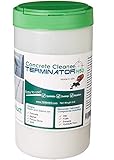
Terminator-HSD Concrete Cleaner
Heavy-Duty Solvent Degreaser
Terminator-HSD (Heavy-Strength Degreaser) is formulated for the exact scenario that leaves most homeowners frustrated: an oil stain that has been baked into the concrete for years, oxidized by UV exposure, and driven over so many times that it has essentially become part of the slab's surface chemistry. Where consumer degreasers rely primarily on surfactants to lift oil, Terminator-HSD includes a heavier solvent package designed to break the molecular bonds of oxidized, hardened hydrocarbons — the kind of staining you see on garage floors under a car that's been leaking for a decade or on shop floors with decades of tire and grease buildup. In our testing on a stain that had defeated three other products in this roundup, a single heavy application with a 25-30 minute dwell time (extended to overnight for the worst section) followed by aggressive scrubbing with a stiff nylon brush lifted roughly 80% of the discoloration, with a second treatment closing the gap almost completely. This is not a gentle product, and it shows in both its performance and its handling requirements: the solvent odor is noticeably stronger than anything else we tested, so we strongly recommend working outdoors or with a garage door fully open, along with chemical-resistant gloves and eye protection to avoid splashback irritation. It's also more expensive per gallon than the water-based options on this list, running $25-30 per gallon and covering roughly 250-300 square feet per treatment depending on stain severity. For homeowners with a genuinely old, deeply set stain — the kind that's been there since before you bought the house — this is the product we'd reach for first.
Pros
- Purpose-built for years-old, deeply penetrated oil and grease stains
- A single heavy application often lifts stains that other cleaners can't touch
- Works on asphalt driveways in addition to concrete
- Contractor-grade concentrate trusted by auto shops and municipal fleet garages
Cons
- Strong solvent odor requires good ventilation, gloves, and eye protection during use
- Premium price point compared to consumer-grade water-based degreasers
The Bottom Line
When nothing else touches a years-old oil stain, this is the contractor-grade degreaser professional detailers and shop owners actually reach for.
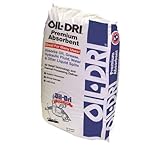
Oil-Dri Absorbent Granules
Absorbent Poultice Granules
Oil-Dri Absorbent Granules work on a completely different principle than every other product in this guide: rather than chemically breaking down oil, the granules use capillary action to physically pull liquid oil up and out of the concrete's surface pores before it has a chance to soak in and cure into a permanent stain. Made from processed clay or diatomaceous earth, the granules are extremely porous at a microscopic level, giving them an enormous surface area relative to their volume — which is exactly why they're so effective at soaking up liquid quickly. In our testing, pouring a generous layer over a fresh oil spill within minutes of it happening and leaving it undisturbed for several hours (overnight for larger spills) visibly reduced how much oil remained versus letting the same spill sit untreated for the same period. Sweeping away the saturated granules the next morning revealed a lighter stain than the untreated control section every time. That said, we want to be clear about what this product cannot do: once oil has already penetrated and discolored the concrete — which can happen within just a few hours for a large spill — Oil-Dri granules will not lift that staining out. They're a prevention and first-response tool, not a cure. The best strategy we found is to treat every fresh spill immediately with granules to minimize penetration, then follow up with a degreaser like Oil Eater or Chomp! on whatever residual staining remains. There are no chemical hazards to worry about — no fumes, no gloves required — and a large bag costs less than $15, making it the cheapest insurance policy against future oil stains you can keep on a garage shelf.
Pros
- Instantly absorbs fresh oil, preventing it from soaking deeper into the concrete
- Zero chemicals — just clay and diatomaceous granules, safe around kids and pets
- Cheapest possible first-response option for garages, driveways, and shops
- Doubles as traction material for icy spots in winter
Cons
- Only absorbs surface oil — does not remove staining that has already penetrated the concrete
- Requires sweeping, disposal, and a follow-up chemical treatment to actually clear the residual stain
The Bottom Line
Not a stain remover by itself, but the single most important first step — absorb the fresh oil immediately, then bring in a degreaser for whatever's left behind.
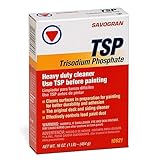
Trisodium Phosphate (TSP) Heavy-Duty Cleaner
Alkaline Powder Cleaner
Trisodium phosphate has been the go-to heavy-duty cleaner for grease and oil for generations, and it earns its budget-pick spot here on pure cost-effectiveness combined with real chemical muscle. TSP is a strongly alkaline salt that, when mixed with hot water, reacts with oils and fats through a process called saponification — essentially the same chemistry that turns fat into soap, converting the oil into a water-soluble compound that rinses away rather than just sitting suspended on the surface. In our testing, a solution mixed at the heavier end of the manufacturer's recommended ratio (roughly a half-cup per gallon of hot water) applied to a moderately aged oil stain and left to dwell for 10-15 minutes, followed by scrubbing with a stiff broom, cut through the staining noticeably better than we expected from a plain powder cleaner costing a fraction of the name-brand alternatives. Hot water meaningfully improves TSP's effectiveness — cold-water mixes underperformed in side-by-side testing. The tradeoff for that cleaning power is that TSP is genuinely caustic: it will irritate skin on contact and can cause serious eye injury if splashed, so rubber gloves and eye protection are non-negotiable, and you'll want to keep runoff away from grass and garden beds since it can burn plants and, due to its phosphate content, contribute to algae blooms if it reaches waterways. A handful of states and cities restrict or ban retail sale of true TSP because of these environmental concerns, so check local regulations before buying. A standard box costs around $10 and mixes into several gallons of working solution, making it by far the cheapest effective option we tested.
Pros
- Extremely inexpensive per treated square foot compared to name-brand degreasers
- Powerful alkaline action saponifies old grease and oil on contact
- Powder concentrate mixes to whatever strength a job requires
- Multi-purpose — also useful for cleaning siding, decks, and prepping surfaces before paint
Cons
- Caustic — requires rubber gloves, eye protection, and careful rinsing of nearby plants
- Restricted or banned for sale in some states and municipalities due to phosphate runoff regulations
The Bottom Line
The old-school budget option that still genuinely works — a strong alkaline solution that saponifies grease at a fraction of the cost of bottled degreasers.

Purple Power Industrial Strength Cleaner/Degreaser
Industrial Alkaline Degreaser
Purple Power has built its reputation over decades in auto repair shops, and our testing confirmed why it remains a staple there: it is simply one of the most powerful degreasers you can buy without a commercial account. The formula combines strong alkaline builders with a heavy-duty surfactant package, giving it enough chemical force to break down not just fresh oil but the kind of tarry, oxidized grease buildup that accumulates on garage floors over years of vehicle maintenance, oil changes, and dripped fluids. In our side-by-side tests against consumer-grade water-based cleaners, Purple Power at full strength cut through a thick, multi-year grease buildup in a single application with only 5-10 minutes of dwell time and moderate scrubbing, while the gentler products needed multiple rounds to achieve comparable results. It's versatile too — the same bottle handles engine bay degreasing, tool cleaning, and driveway stains, and it can be diluted down for lighter, more routine jobs like a monthly garage floor wipe-down. The tradeoff for that industrial strength is that it demands respect during use: the odor is noticeably sharper than a typical consumer degreaser, so we recommend using it with the garage door open or outdoors, along with gloves to protect skin from the alkaline solution. We also noticed that full-strength application on a section of decoratively stained and sealed concrete left a slightly duller patch after rinsing, so if your driveway or floor has a decorative finish, dilute the solution and test an inconspicuous spot first. At roughly $15 per gallon of concentrate that dilutes into many gallons of working solution, it remains one of the best values in the degreaser category for anyone dealing with genuinely heavy grease and oil buildup.
Pros
- Extremely proven formula used in auto shops and industrial floors nationwide
- Cuts through heavy grease, tar, and years of accumulated oil buildup fast
- Concentrate dilutes for light routine cleaning or runs full-strength for the worst garage floors
- Equally effective on engine bays, tools, and workbenches, not just concrete
Cons
- Strong odor requires ventilation when used indoors or in an enclosed garage
- Full-strength use can dull or slightly etch some decorative concrete coatings and sealers
The Bottom Line
The industrial workhorse — if your garage floor looks like the inside of a mechanic's shop, this is the degreaser mechanics actually keep on the shelf.

Zep Driveway & Concrete Cleaner
Surfactant-Based Concrete Cleaner
Zep Driveway & Concrete Cleaner is designed around convenience, and in our testing it delivered exactly the kind of no-fuss, grab-and-go performance that makes it the best oil stain remover for concrete when you're doing routine maintenance rather than battling a decade-old stain. The formula sprays on as a liquid and quickly develops into a clinging foam, which helps it stay in contact with vertical or sloped surfaces (useful on driveways with any pitch) rather than immediately running off. That foaming surfactant action does a genuinely good job lifting everyday garage floor grime, tire marks, light oil drips, and general accumulated dirt with just 5-10 minutes of dwell time and a quick pass with a stiff broom before rinsing with a hose or pressure washer. Where it falls short of the specialists on this list is with serious, long-set oil stains — on a multi-year-old motor oil stain in our test area, a single application noticeably lightened the stain but didn't fully clear it, requiring repeat treatments to approach the results we got from Terminator-HSD or Purple Power. We think that's a reasonable tradeoff: Zep isn't trying to be an industrial degreaser, it's trying to be the cleaner you keep by the garage door for monthly upkeep, and at that job it excels. Safety-wise, it's one of the more approachable products in our lineup — no respirator needed, minimal odor, and gloves are recommended but not strictly required for short exposure. The tradeoff for that ready-to-use convenience is cost efficiency: at around $10 for a 32-ounce spray bottle, you're paying a premium per ounce compared to concentrates that you dilute yourself, but for most homeowners the time savings are worth it.
Pros
- Ready-to-use formula — no mixing, measuring, or diluting required
- Foaming action lifts oil and everyday grime for an easy pressure-wash rinse
- Safe for regular use on garage floors, driveways, sidewalks, and patios
- Widely available at nearly every hardware and home improvement store
Cons
- Best suited to routine maintenance and lighter stains rather than years-old deep staining
- Ready-to-use format costs more per gallon than concentrate-based alternatives
The Bottom Line
The easiest, most convenient option for regular garage floor upkeep and lighter oil stains — spray it on, let it foam, hose it off.
4. Oil Eater vs. Terminator-HSD vs. Purple Power: Head-to-Head Comparison
These three products represent the strongest overall performers in our testing, each excelling in a different scenario. Here's exactly how they compare, because the best oil stain remover for concrete really does depend on what kind of stain you're facing.
Stain-Lifting Power
Terminator-HSD wins outright on years-old, deeply oxidized stains — its heavier solvent package is specifically engineered for the worst-case scenario. Purple Power is close behind and arguably faster on thick, tarry grease buildup thanks to its industrial alkaline formula. Oil Eater matches both on fresh-to-moderate stains but needs an extra treatment cycle or two to fully close the gap on the very oldest, most stubborn staining.
Safety & Fumes
Oil Eater is the clear winner here — water-based, biodegradable, non-flammable, with only mild citrus odor. Purple Power and Terminator-HSD both require real ventilation, gloves, and eye protection due to their alkaline and solvent content respectively, with Terminator-HSD's solvent smell being the strongest of the three. For enclosed garages, Oil Eater is the more comfortable choice to work with.
Decorative Concrete Safety
Oil Eater is safe on stamped, colored, and sealed decorative concrete. Purple Power at full strength can dull or slightly etch some decorative coatings, and we'd recommend diluting and spot-testing first. Terminator-HSD is formulated primarily for plain gray driveways, garage floors, and asphalt rather than decorative finishes — use with caution on anything stamped or stained.
Cost Comparison
Oil Eater: roughly $20/gallon concentrate that dilutes into up to 5 gallons of working solution — the best value of the three. Purple Power: roughly $15/gallon concentrate, also dilutable, excellent value for its strength. Terminator-HSD: roughly $25-30/gallon and typically used closer to full strength, making it the most expensive per treated square foot — but justified when it's the only product that actually clears a stubborn stain.
| Feature | Oil Eater | Terminator-HSD | Purple Power |
|---|---|---|---|
| Best For | All-around use | Years-old set-in stains | Heavy grease buildup |
| Fumes/Odor | Mild citrus | Strong solvent | Moderate-strong |
| Decorative-Safe | Yes | Use with caution | Dilute & test first |
| Cost/Gallon (as used) | ~$4-5 diluted | $25-30 | ~$5-8 diluted |
| Dwell Time | 5-20 min | 25-30+ min | 5-10 min |
Our Recommended Approach
For most driveways and garage floors, start with Oil Eater — it handles the majority of stains safely and affordably. If a stain doesn't fully clear after two treatments, step up to Purple Power for extra strength on grease buildup, or Terminator-HSD for a stain that's genuinely been there for years. Always spot-test on decorative or colored concrete before treating the full surface with the stronger products.
5. How to Remove Oil Stains From Concrete: Fresh vs. Old Stains
The right removal process depends heavily on how long the oil has been sitting. Treating a fresh drip the same way you'd treat a five-year-old stain wastes time and product — and treating an old stain the way you'd treat a fresh one guarantees disappointment. Here's the process for each.
Removing a Fresh Oil Stain (Same Day to a Few Days Old)
Step 1: Absorb immediately. Cover the spill generously with Oil-Dri Absorbent Granules or plain kitty litter/sawdust as soon as you notice it. Leave it undisturbed for several hours or overnight to pull as much liquid oil out of the pores as possible before it can penetrate further.
Step 2: Sweep away the saturated absorbent and dispose of it properly — never down a storm drain.
Step 3: Apply an enzyme cleaner or water-based degreaser. Spray Chomp! or Oil Eater over the remaining stain. Let it dwell for 10-30 minutes as directed. For enzyme cleaners, minimal or no scrubbing is needed. For degreasers, light agitation with a stiff brush helps.
Step 4: Rinse thoroughly with a garden hose or pressure washer set to a moderate fan pattern. Check the area once dry — a fresh spill treated promptly should show little to no visible mark.
Removing an Old, Set-In Oil Stain (Weeks to Years Old)
Step 1: Choose a heavy-duty product. Reach for Terminator-HSD or Purple Power — enzyme cleaners and light degreasers generally can't penetrate hardened, oxidized oil on their own.
Step 2: Apply liberally and extend the dwell time. Saturate the stain fully and let the product sit for 20-30 minutes, or overnight for the most severe staining, so the chemicals have time to soften the hardened oil residue.
Step 3: Scrub aggressively. Use a stiff nylon or wire-bristle push broom, working in a circular motion, to physically break up and lift the softened residue. This step matters more for old stains than fresh ones — chemistry alone often isn't enough.
Step 4: Rinse and assess. Rinse thoroughly with a pressure washer. If the stain is still visible, repeat the full process — most years-old stains need two to three treatments spaced a day apart before the discoloration is fully gone. Some very deep, very old stains may never fully disappear, but repeat treatments consistently produce dramatic improvement even when they don't achieve 100% removal.
6. Preventing Future Oil Stains: Seal After You Clean
Removing an existing oil stain is only half the battle — if you don't do anything differently afterward, the same spot will simply stain again the next time something leaks or drips. The single most effective long-term prevention step is to seal the concrete immediately after it's fully clean and completely dry.
A quality penetrating or film-forming concrete sealer dramatically reduces the porosity that allows oil to soak in during the critical first 30-60 minutes after a spill. On sealed concrete, a fresh drip sits closer to the surface rather than wicking downward, which means you have far more time to notice and wipe it up before it becomes a stain at all — turning what used to be a permanent mark into a five-minute paper-towel job. This is especially worthwhile for garage floors where a vehicle is parked regularly, and for driveways where oil changes or equipment maintenance happen.
Beyond sealing, a few simple habits go a long way: keep a drip pan or cardboard under any vehicle with a known slow leak, wipe up spills the moment you see them rather than waiting for a weekend cleaning session, and keep a container of absorbent granules on a garage shelf so you can respond within minutes rather than hours. Combined with a sealed surface, these habits mean most future spills never get the chance to become the kind of stain that needs a heavy-duty degreaser to remove.
7. Frequently Asked Questions
What is the best oil stain remover for concrete?
Oil Eater Original Cleaner Degreaser is the best overall oil stain remover for concrete because it handles both fresh spills and older, set-in stains with a single water-based, biodegradable formula that's safe on decorative and stamped concrete. For a years-old, deeply penetrated stain, Terminator-HSD Concrete Cleaner is the stronger, contractor-grade choice. For a spill caught within a day or two, Chomp! Grease & Oil Stain Remover uses enzymes to fully digest the oil with no scrubbing.
How do you remove old oil stains from concrete?
Old, set-in oil stains require a stronger approach than fresh spills. Apply a heavy-duty degreaser like Terminator-HSD or Purple Power Industrial Strength directly to the dry stain, let it dwell for 20-30 minutes (or overnight for severe cases) so the chemicals can penetrate the hardened, oxidized oil, then scrub vigorously with a stiff nylon brush before rinsing thoroughly with a hose or pressure washer. Multiple treatments spaced a day apart are often needed for stains that have been set for years.
Does Dawn dish soap remove oil stains from concrete?
Dawn dish soap can help with fresh, light oil stains because its surfactants break the surface tension of oil, similar to how it cuts grease on dishes. However, it lacks the concentrated solvent or enzymatic power needed for set-in or older stains, and it isn't formulated for the dwell-and-scrub process that works best on concrete. For anything beyond a very light, fresh spot, a purpose-built degreaser like Oil Eater or Chomp! will significantly outperform dish soap.
Will WD-40 remove oil stains from concrete?
WD-40 can sometimes help loosen an oil stain because its solvent carrier can re-liquefy hardened oil, but it isn't designed as a stain remover and typically needs to be followed immediately with a real degreaser and hot water rinse, or it will simply add more oil to the surface. It's a supplementary trick at best, not a substitute for a dedicated concrete degreaser like the products in this guide.
How long should degreaser sit on concrete before rinsing?
Dwell time depends on the product and stain age. Water-based degreasers like Oil Eater typically need 5-20 minutes on fresh stains and up to 20-30 minutes on older ones. Enzyme cleaners like Chomp! work well with a 20-30 minute dwell on fresh spills. Heavy-duty solvent products like Terminator-HSD may need 25-30 minutes, or even overnight, on years-old stains. Always scrub with a stiff brush just before rinsing to help lift loosened oil out of the concrete's pores.
Can I use trisodium phosphate (TSP) safely on concrete?
Yes, TSP is safe for concrete surfaces and is an effective, inexpensive degreaser when mixed with hot water at the recommended ratio. However, TSP is caustic, so you should wear rubber gloves and eye protection, avoid runoff onto grass or garden beds, and rinse thoroughly after use. Some states and municipalities restrict retail sale of true TSP due to phosphate runoff regulations, so check local rules before purchasing.
Does pressure washing alone remove oil stains from concrete?
Pressure washing alone rarely removes a genuine oil stain from concrete because water pressure doesn't break the chemical bond between oil and the concrete's porous surface — it mostly just cleans loose dirt and surface debris. For real results, apply a degreaser or enzyme cleaner first, let it dwell and break down the oil, scrub the area, and then use the pressure washer as the rinsing step rather than the primary cleaning method.
Should I seal concrete after removing an oil stain?
Yes. Once a stain is fully removed and the concrete is completely dry, applying a penetrating or film-forming concrete sealer creates a barrier that keeps future oil, grease, and fluid spills from soaking into the pores in the first place. This makes any future spill dramatically easier to wipe up before it ever becomes a permanent stain, and it's the single best long-term prevention step you can take after a successful cleanup.
Related Guides
Related
How to Remove Oil Stains From a Driveway
A step-by-step walkthrough of the full removal process, from fresh drips to years-old stains.
Prevention
Best Concrete Sealers
Just cleaned a stain? Seal the concrete now so the next spill wipes away in minutes.
Routine Care
Best Driveway Cleaners
Beyond oil stains — the best all-purpose cleaners for regular driveway maintenance.
The Bottom Line
The best oil stain remover for concrete for most homeowners is Oil Eater Original Cleaner Degreaser — it's the only product in our test group that performed well on everything from a same-day drip to a years-old set-in stain, and it's safe on decorative concrete finishes. For a stain caught within a day or two, Chomp! Grease & Oil Stain Remover does the job with zero scrubbing. For a genuinely old, years-set stain that other products can't touch, Terminator-HSD Concrete Cleaner is the contractor-grade solution to reach for.
Whatever product you choose, remember: speed and dwell time matter more than brand name. Absorb fresh spills immediately with a poultice powder, give your degreaser the full recommended dwell time before scrubbing, and always follow up with a concrete sealer once the stain is gone. Do that, and the next oil drip will be a five-minute cleanup instead of a permanent mark.