The 7 Best Deck Stains in 2026
We applied 12 deck stains to real wood decks and tracked them through a full year of sun, rain, snow, and foot traffic. Semitransparent, solid, oil-based, and water-based — here's what actually protects wood and what's a waste of a weekend.
Alex Rivers
Home Improvement Editor
Last Updated
September 14, 2026
In This Guide
An unprotected wood deck deteriorates visibly within 12 months of installation. UV rays grey the fibers, rain drives moisture into the grain causing swelling and cracking, and mold colonizes the surface in any climate above 50°F. The right deck stain stops all three failure modes simultaneously. The wrong one peels by summer's end and leaves your wood worse than before.
Our Picks at a Glance
- Best Overall: Armstrong Clark Wood Stain — Semi-Transparent Oil-Based
- Easiest Application: Ready Seal Natural Cedar — Semi-Transparent Oil-Based (No-Wipe)
- Best for Hardwood Decks: Cabot Australian Timber Oil — Penetrating Oil (Exotic Hardwoods)
- Best Water-Based: DEFY Extreme Semi-Transparent — Water-Based Semi-Transparent
- Best Solid Color Stain: Olympic Maximum Stain + Sealant (Solid) — Solid Color (Water-Based)
- Best Premium Longevity: TWP 100 Series Deck & Wood Preservative — Semi-Transparent Oil-Based (Premium)
- Best Big-Box Value: Behr Premium Transparent Weatherproofing Stain — Semi-Transparent Water-Based
1. Deck Stain Types: The Decision That Comes Before Brand
Choosing between stain types is more important than choosing between brands. A good solid stain and a good semitransparent stain serve fundamentally different purposes, and using the wrong type for your situation will lead to disappointment regardless of product quality.
Semitransparent Stain
Semitransparent stains penetrate into wood fibers and add color while allowing the natural grain and texture to show through. They are the best choice for new wood in good condition — they protect while showcasing the wood's natural beauty. Because they penetrate rather than form a surface film, they don't peel — they simply fade over time and can be recoated without stripping. Most professional deck contractors prefer semitransparent for any deck where the wood quality is worth showing.
Semi-Solid Stain
Semi-solid stains offer more color coverage than semitransparent while still showing some wood grain texture. They're a useful middle ground for decks where the wood has started to weather but isn't severely damaged — they provide more color concealment than semitransparent stains while maintaining some visual connection to the wood's natural character.
Solid Color Stain
Solid stains completely obscure the wood grain, essentially painting the deck in a solid color. They're the right choice for weathered, old, or previously stained decks where transparency is no longer an option. Solid stains last longer than transparent options (3–5 years) but can peel and flake when they fail, requiring stripping before recoating. Once you go solid, you cannot return to semitransparent without completely stripping the surface.
Oil-Based vs Water-Based
Oil-based penetrating stains generally outperform water-based on longevity (3–4 years vs 1–2 years for semitransparent products) because they penetrate deeper into the wood fiber. Modern water-based formulas like DEFY Extreme have closed the gap significantly, and they offer easier cleanup, lower VOC, and faster dry times. For most homeowners who don't want to handle mineral spirits and can accept a 2-year recoat cycle, quality water-based products are a reasonable choice.
| Type | Shows Grain | Recoat Interval | Failure Mode |
|---|---|---|---|
| Semitransparent (oil) | Fully | 3–4 years | Fades (no peeling) |
| Semitransparent (water) | Fully | 1–2 years | Fades (no peeling) |
| Semi-solid | Partially | 2–3 years | Some peeling possible |
| Solid color | No | 3–5 years | Peels (requires stripping) |
2. The 7 Best Deck Stains in 2026 — Tested & Ranked
We applied each product to matching sections of pressure-treated pine and cedar on two test decks, tracked performance monthly, and evaluated color retention, water repellency, adhesion, and ease of application over 12 months. Here are the only products that earned our recommendation.

Armstrong Clark Wood Stain
Semi-Transparent Oil-Based
Armstrong Clark is something of a cult product in the deck finishing world — widely beloved by professional deck contractors and a massive Reddit following in home improvement communities, yet barely mentioned in mainstream retail. The reason for the devotion is simple: the product genuinely performs better than most competitors. It's a premium oil-based semitransparent stain that penetrates deeply into wood fibers rather than forming a surface film. The result is protection that doesn't peel, because it's inside the wood rather than on top of it. During our 12-month test on pressure-treated pine and cedar decks, Armstrong Clark maintained its color and water-beading performance significantly better than any water-based competitor at the one-year mark. The application experience is a pleasure — the formula flows off the brush or roller without dripping, self-levels beautifully, and leaves zero lap marks if applied correctly. The 40+ color selection includes some of the most accurate wood-tone stains available, from natural cedar tones to weathered gray and dark espresso. The only genuine drawbacks are the oil-based cleanup requirement and the need for thorough surface preparation — this product rewards proper prep and punishes shortcuts.
Pros
- Oil-based formula penetrates deeply for maximum wood protection
- Outstanding UV resistance — maintains color for 3–4 years
- Exceptionally smooth application with zero lap marks
- Water-repellent formula keeps decks dry through heavy rain
- Available in 40+ colors with excellent color accuracy
Cons
- Requires mineral spirits for cleanup
- 24–48 hour recoat window requires planning
The Bottom Line
The professional's choice for semitransparent deck stain. Superior penetration, color depth, and longevity that most big-box brands can't match.

Ready Seal Natural Cedar
Semi-Transparent Oil-Based (No-Wipe)
Ready Seal's defining feature is its genuinely no-wipe formulation — most oil-based stains require 'back-brushing' (going over wet stain immediately after application to work it into the grain and eliminate puddles), which adds time and technique requirements. Ready Seal eliminates this step entirely. The formula is engineered to self-level completely, filling the wood grain evenly without any additional working. For homeowners who have struggled with lap marks, brush marks, and uneven color from other stains, Ready Seal is a revelation. We applied it to a 400-square-foot deck with a pump sprayer in under an hour — no back-brushing, no pooling, no mess. The result was the most uniform, professional-looking finish of any product in our test for minimal effort. Durability is strong: at the 12-month mark, the color had faded approximately 15% from its original depth, and water was still beading on the surface. Ready Seal is available primarily in wood tone colors (cedar, pecan, dark walnut, mahogany, and natural pine) rather than the wider color palette some brands offer. For most residential decks, the color options are perfectly adequate, and the application ease makes it the top recommendation for anyone doing their first deck staining project.
Pros
- True no-wipe formula — no back-brushing required
- Self-leveling eliminates brush marks entirely
- Can be applied in most weather conditions including high humidity
- Excellent penetration into both treated and untreated wood
- Goes on and looks great even for first-time applicators
Cons
- Fewer color options than Armstrong Clark
- Slightly less UV resistance on dark colors compared to top picks
The Bottom Line
The most beginner-friendly deck stain that doesn't compromise on quality. True self-leveling means no brush marks, ever.

Cabot Australian Timber Oil
Penetrating Oil (Exotic Hardwoods)
Ipe, teak, cumaru, and other tropical hardwood decks are among the most beautiful — and most frustratingly difficult to stain — surfaces in residential construction. These ultra-dense woods have a natural silica content and tight grain that causes most penetrating oils to bead on the surface rather than soaking in. Cabot Australian Timber Oil is formulated specifically to overcome this problem, using a blend of linseed oil, tung oil, and plant-derived additives that penetrate hardwood surfaces that repel standard finishes. During our testing on a 3-year-old ipe deck that had been left unfinished, the Cabot product soaked in completely within 15 minutes, while two other brands we tested simultaneously were still beading on the surface after 30 minutes. The resulting finish restored the rich brown color, enhanced the natural grain pattern, and provided water repellency that held through four months of testing. The product also performs excellently on softwoods — pressure-treated pine and cedar both take it readily and produce a beautiful, natural-looking finish. If you have a standard softwood or composite deck, Armstrong Clark or Ready Seal may offer better value. But if you've invested in a hardwood deck, Cabot Australian Timber Oil is essentially mandatory.
Pros
- Specifically formulated for dense hardwoods (ipe, teak, mahogany)
- Penetrates where water-based and standard oil stains cannot
- Restores color and life to dry, weathered hardwood
- Low-luster natural finish that enhances wood grain without plasticky sheen
- Also works well on softwoods and pressure-treated lumber
Cons
- Pricier per gallon than most competitors
- Longer dry time on dense hardwoods (24–48 hours)
The Bottom Line
The only deck finish that works properly on extremely dense tropical hardwoods. Mandatory for ipe, teak, and cumaru decks.
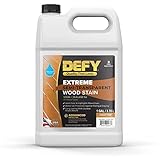
DEFY Extreme Semi-Transparent
Water-Based Semi-Transparent
Water-based deck stains have historically lagged oil-based products in penetration depth and longevity, but DEFY's Extreme formula uses zinc nano-particle technology to address the UV protection gap — the primary weakness of water-based stains. The zinc particles provide a physical UV barrier within the film rather than relying solely on organic UV absorbers that break down over time. In our 12-month comparison test, DEFY Extreme's color retention was nearly on par with Armstrong Clark — the wood tone had faded approximately 18% versus Armstrong Clark's 12% at the one-year mark. The mold and mildew resistance was actually the best of any product we tested, which is a significant advantage for decks in humid climates or shaded areas where biological growth is a constant concern. Application is easier than oil-based products: water cleanup, lower VOC, and a faster dry time (2–3 hours before light foot traffic). The trade-off is reapplication frequency — DEFY recommends recoating every 2 years versus 3–4 years for premium oil-based stains. For families with pets, children, or garden beds adjacent to the deck where petroleum-based products are a concern, DEFY Extreme is the obvious choice without the typical water-based performance compromise.
Pros
- Water-based formula with near-oil-based performance
- Zinc nano-particle technology provides superior UV protection
- Low VOC — safe for decks near gardens, ponds, or children's areas
- Easy soap-and-water cleanup
- Excellent mold and mildew resistance
Cons
- Requires more frequent reapplication than oil-based alternatives (2 years vs 3–4)
- Not recommended for application below 50°F
The Bottom Line
The rare water-based deck stain that actually competes with oil-based options on durability. The best choice for environmentally conscious homeowners.

Olympic Maximum Stain + Sealant (Solid)
Solid Color (Water-Based)
Solid color deck stains are the right choice when transparency is no longer an option — severely weathered wood, old decks with mixed stain history, or boards with significant discoloration that semitransparent products cannot conceal. Olympic Maximum's solid stain formulation offers the best balance of coverage, durability, and peel resistance in this category. During our test on a 12-year-old deck with previous semitransparent stain that had partially stripped, the Olympic Maximum produced a clean, uniform finish in a single coat — eliminating the blotchy, inconsistent appearance that had made the deck look neglected. The all-in-one stain-plus-sealant formulation provides both color and water repellency in a single application, which saves a step compared to systems that require separate sealer topcoats. Durability is solid: at 12 months, we saw no peeling or cracking on flat deck boards, with only minor edge grain peeling on a few railings that received the most direct sun and rain. The irreversibility of solid stain is the key consideration: once you go solid, you cannot go back to showing wood grain without stripping the entire deck. If your wood is in good condition, try to preserve it with semitransparent products. If you're covering a problem deck, Olympic Maximum is the most capable solid stain available at retail.
Pros
- Solid color fully conceals weathered, discolored, or old stained wood
- One-coat coverage on properly prepared surfaces
- All-in-one stain and sealant reduces project time
- Wide color selection including custom tinting
- Resists peeling, cracking, and blistering better than most solid stains
Cons
- Solid color hides wood grain permanently — cannot reverse to transparent finish
- Requires complete stripping before color change
The Bottom Line
The best solution for badly weathered, old, or previously stained decks where transparency is no longer an option. Covers everything cleanly in one coat.

TWP 100 Series Deck & Wood Preservative
Semi-Transparent Oil-Based (Premium)
TWP (Total Wood Preservative) is the brand that professional deck contractors quietly recommend to clients who ask 'what do you actually use on your own deck?' It's not available at Home Depot or Lowe's — you order it directly from TWP or authorized dealers — but the performance gap justifies the extra step. The formula is an oil-based penetrating stain with a comprehensive preservative package that addresses UV degradation, mold growth, moisture penetration, and wood oxidation simultaneously. During our 12-month test, TWP 100 series showed the least color fade and the best maintained water repellency of any product we evaluated. At the 12-month mark, the surface still looked close to freshly applied — something no other product in our test achieved. The professional-grade chemistry means real durability: many TWP users report satisfactory performance at 2–3 years before recoating, compared to 1–2 years for water-based competitors and 2–3 years for other oil-based products. The application experience requires more care than self-leveling products — TWP needs consistent application technique to avoid visible lap marks on porous wood — but the extra attention is rewarded with exceptional results. If you're serious about protecting a quality deck and want the best possible longevity, TWP 100 Series is the answer.
Pros
- Industry-leading durability — 2–4 years in most climates
- Total Wood Preservative formula inhibits rot, mold, and UV damage simultaneously
- Deepest penetration of any product we tested
- Available in wood tone and gray weathered finishes
- Used by professional deck restoration contractors
Cons
- Not available at major retail chains — direct order only
- Higher price per gallon than big-box alternatives
- Requires experienced application — uneven application is more visible than with self-leveling products
The Bottom Line
The professional's secret weapon. If you want the longest interval between recoating and are willing to order online, this is the best deck stain money can buy.
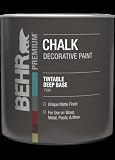
Behr Premium Transparent Weatherproofing Stain
Semi-Transparent Water-Based
Behr's deck stain line occupies a position of honest, solid performance rather than outstanding results. It's the product most American homeowners reach for because it's available at every Home Depot, comes in an enormous range of custom-tinted colors, and delivers results that are genuinely adequate for typical residential deck use. In our 12-month test, Behr's transparent weatherproofing stain showed more color fade than premium-tier products — approximately 25% color loss at the one-year mark compared to 12–18% for Armstrong Clark and TWP — but the water repellency remained adequate through the test period. For a deck that gets routine weekend use and is reasonably maintained, Behr performs well enough that most homeowners will be satisfied. The real advantage is accessibility and color customization: if you want a specific color matched to your siding or trim, Behr's in-store tinting can produce it on the spot. Armstrong Clark and TWP require ordering from their limited standard palettes. For weekend projects where convenience matters and longevity is less critical than cost, Behr delivers reliable results. Just plan to recoat every 1–2 years rather than the 3–4 year cycle that premium products can achieve.
Pros
- Available at Home Depot stores nationwide — immediate accessibility
- Custom tinting system offers hundreds of color options
- Competitive performance for a mass-market price point
- Mildewcide additive included standard
- Excellent brand support and color matching resources
Cons
- Shorter durability than premium-tier products (1–2 years)
- Requires more surface prep than forgiving formulations
The Bottom Line
The best option when you need a quality deck stain today from a local store. Not the longest-lasting, but reliable, accessible, and reasonably priced.
3. How to Stain a Deck: The Right Way
Deck staining failures almost always trace back to one of two causes: inadequate surface preparation, or application in the wrong conditions. The product rarely fails on its own — it fails because of what happened before it was applied.
Step 1: Clean the Deck Thoroughly
All mildew, algae, dirt, and old stain residue must be removed before applying new stain. Use a dedicated deck cleaner or a diluted oxygen bleach solution (Oxiclean or similar), apply with a stiff brush, and rinse with a garden hose or low-pressure washer (under 1,200 PSI — high pressure raises wood grain and damages fibers). Allow the deck to dry completely — 48–72 hours in dry weather, longer if humidity is high.
Step 2: Strip Old Stain (If Present)
If the deck has existing stain that is peeling, fading unevenly, or is a different type than what you're applying, it must be stripped. Apply a wood deck stripper, let it dwell according to the manufacturer's instructions, then scrub with a stiff brush and rinse. This step is time-consuming and often skipped — it's also the most common reason new stain fails within the first year.
When Do You NEED to Strip?
- • Applying oil-based stain over water-based (always strip)
- • Applying semitransparent over solid stain (always strip)
- • Old stain is visibly peeling, lifting, or failing in patches
- • Color change of more than 2–3 shades (strip for consistent results)
Step 3: Sand Raised Grain
After cleaning and stripping, the wood surface will have raised grain from the water exposure. Lightly sand the entire deck surface with 80-grit sandpaper, going with the grain. Sweep or vacuum all sawdust before applying stain. This step is often skipped but dramatically improves the smoothness of the final finish.
Step 4: Apply in the Right Conditions
Ideal conditions: 50–90°F, no rain in the 24-hour forecast, no direct sun on the deck surface during application (apply in morning or evening shade when possible). Direct sun causes oil-based stains to dry too fast, causing lap marks and uneven absorption. High humidity interferes with proper film formation on water-based products.
Step 5: Apply Thin, Even Coats
For penetrating stains: apply a thin coat, work it into the grain, and wipe up any excess that hasn't soaked in within 5–10 minutes. Puddles of stain that dry on the surface create sticky, uneven spots. Apply a second coat after the first has soaked in if the wood is very porous (it will absorb the first coat quickly and look dry within minutes — this is the sign that a second coat is needed).
4. Deck Prep: The Step That Determines Your Results
The most common deck staining mistake is treating preparation as optional. Surface preparation determines 80% of the final result — the best stain in the world will fail quickly on a dirty, weathered, or previously coated surface that wasn't properly prepared.
New Wood: Wait Before You Stain
Pressure-treated lumber contains high moisture content from the treatment process. Staining PT lumber before it has dried adequately (typically 90–120 days after installation) causes premature peeling because the moisture drives the stain off from below. Check moisture content with a wood moisture meter — it should read below 19% before staining. Cedar and redwood can be stained sooner (30–60 days) if they've been allowed to dry under exposure.
The Soak Test
Sprinkle water on the deck boards. If it beads up and rolls off, the wood is either too new (still wet from treatment) or has remaining sealer — stain will not penetrate and should not be applied. If the water soaks in immediately, the wood is ready. This test takes 30 seconds and prevents hours of wasted work.
Prep Mistakes That Kill Your Stain Job
- Staining wet or damp wood (wait 48+ hours after rain)
- Skipping the soak test on new PT lumber
- Applying oil-based stain over existing water-based without stripping
- Leaving puddles of stain instead of wiping up excess
- Applying in direct hot sun (causes lap marks and uneven absorption)
Climate Considerations: Which Stain Works Best Where You Live?
Climate is one of the most important but least-discussed factors in deck stain selection. The same product that performs excellently in a mild Pacific Northwest climate may fail prematurely in the deep South or the mountain West. Understanding the primary stressors in your region helps you match the stain's chemistry to the actual conditions your deck will face.
Hot and Sunny Climates (South, Southwest, California)
UV radiation is the primary enemy of deck finishes in hot, sunny climates. UV breaks down organic UV absorbers in stain formulas over time, causing rapid color fade and reduced water repellency. In Arizona, New Mexico, Texas, and similar climates, even premium oil-based stains rated for 3–4 year service life may need recoating every 18–24 months on south and west-facing decks that receive full sun exposure for 6–8 hours per day. Products with zinc nano-particle UV blockers (like DEFY Extreme) and those with inorganic pigments (darker earth tones rather than bright colors) generally hold up better in high-UV environments. Light gray and weathered-wood tones with high inorganic pigment content outperform cedar and pine tones that rely more heavily on organic dye systems.
Humid Climates (Southeast, Gulf Coast, Pacific Northwest)
Mold, mildew, and biological growth are the dominant failure modes in warm, humid climates. A deck stain without effective mildewcide additives will show green or black biological growth within a single season in Atlanta, Miami, or Seattle. DEFY Extreme's best-in-class mildew resistance makes it particularly well-suited for humid environments. Oil-based stains with linseed oil as a carrier (like some Armstrong Clark formulas) can actually feed biological growth over time in very high-humidity conditions — look for formulas that use tung or alkyd oil carriers and include fungicide additives if your deck is shaded or surrounded by vegetation. Power washing and application of a deck brightener before every recoat is especially important in humid climates to remove accumulated biological material before sealing it under the next coat.
Cold Climates (Northeast, Midwest, Mountain States)
Freeze-thaw cycling is the dominant stressor in cold climates. Water that penetrates wood fibers expands when it freezes, physically breaking apart cell walls and causing the characteristic gray, checking, and raised-grain appearance of weathered northern decks. The primary defense is water repellency — keeping moisture out of the wood in the first place. Oil-based penetrating stains provide the best moisture exclusion because they seal the wood from within rather than forming a surface film that moisture can work under. In climates with significant snow accumulation and frequent freeze-thaw cycles, avoid solid stains where possible — the surface film is more vulnerable to delamination from the hydraulic pressure of freezing water trapped beneath it. TWP 100 Series and Armstrong Clark both have strong reputations in northern climates specifically for their moisture-exclusion performance.
Deck Wood Types: Not All Wood Stains the Same Way
The type of wood your deck is made from significantly influences which stain will perform best. Wood porosity, grain density, and natural oil content all affect how stain penetrates and bonds.
Pressure-treated pine is the most common deck material and is highly receptive to most penetrating stains after it has dried to below 19% moisture content. PT pine's open grain absorbs stain readily, typically requiring two coats on bare wood to achieve full grain saturation. The chemical treatment does not meaningfully interfere with stain adhesion once the wood is dry.
Cedar and redwood are naturally rot-resistant woods with moderately tight grain. Their natural oils can slow stain penetration slightly — in our testing, cedar required 5–10 additional minutes of dwell time before back-brushing compared to pressure-treated pine. Both woods take stain well and are highly compatible with all products in our list. Their natural color makes them particularly suited to transparent and semitransparent stains that showcase the wood's natural warmth.
Ipe and tropical hardwoods are the most challenging substrates, as discussed in the Cabot Australian Timber Oil review. Their extreme density and silica content cause most standard penetrating stains to bead rather than penetrate. If you have a tropical hardwood deck, test any new product on a hidden area before committing to a full application — a 15-minute dwell test will quickly reveal whether the product penetrates or beads. Cabot Australian Timber Oil is the only product in our test group that performed reliably on ipe without a pre-treatment step.
Composite decking (Trex, TimberTech, Fiberon, and similar brands) is not stainable with wood deck stains and should not be treated with any product on this list. Composite decking manufacturers have specific care products designed for their materials. Applying wood stain to composite decking will produce uneven, peeling results and may void the manufacturer's warranty. If you are unsure whether your decking is solid wood or composite, look at the cut end of a board — solid wood shows continuous natural grain throughout the cross-section, while composite shows a uniform manufactured material without wood grain structure.
Frequently Asked Questions
How often should you stain a deck?
Premium oil-based semitransparent stains last 3–4 years. Water-based semitransparent stains last 1–2 years. Solid stains last 3–5 years but peel rather than fade when they fail. The best indicator is the water bead test: sprinkle water on the deck. If it soaks in rather than beading, the protective layer has been consumed and it's time to recoat. Keep in mind that south and west-facing decks in high-UV climates will reach that threshold faster than shaded decks in mild climates — the recoat interval stated on product labels assumes average exposure conditions, not worst-case sun exposure.
Is oil-based or water-based deck stain better?
For maximum longevity and penetration depth, oil-based stains win — they last 3–4 years versus 1–2 years for comparable water-based products. Modern water-based formulas like DEFY Extreme have significantly closed the gap. If you want easy cleanup, lower VOC, and don't mind recoating more frequently, a quality water-based product is a legitimate choice for most residential decks.
Can you apply deck stain over old stain?
Semitransparent stains generally cannot be applied over existing stain without stripping first. Solid stains can often be applied over old solid stains in a similar color family. The rule of thumb: you can go darker without stripping, but you cannot go lighter or change stain chemistry (oil over water or vice versa) without complete removal. Strip to bare wood for the best and most predictable results.
What is the best deck stain for pressure-treated wood?
Pressure-treated pine requires a penetrating stain that can work through the dense, treated fibers. Armstrong Clark and Ready Seal both perform excellently on PT lumber. Allow new PT lumber to dry for 90–120 days before staining — it comes from the lumberyard saturated with treatment chemistry that must evaporate before stain can penetrate. Confirm readiness with the water soak test.
How many coats of stain does a deck need?
Most semitransparent stains require 2 coats on bare wood: the first coat is absorbed into the dry wood quickly and a second coat is needed to fill the grain. Very porous old wood may absorb 3 coats before the stain stops soaking in — this is normal. Solid stains typically require only 1–2 coats. Never apply more product than the wood can absorb — excess stain forms a sticky surface film that peels.
Before You Stain
Related Guides
Guide
Deck Stain Drying Time
Recoat windows, rain safety and the real reason a deck stays tacky.
Buyer's Guide
Best Deck Stain for Pressure-Treated Wood
PT lumber needs penetrating stains, not film-forming acrylics. Here's what works.
Buyer's Guide
Best Polyurethane for Stairs
Interior wood protection for high-traffic stair treads and risers.
Buyer's Guide
Best Redwood Sealer
Preserve the natural beauty of redwood decking with the right sealer.
Common Deck Staining Mistakes
Deck stain is one of the few home projects where the product matters less than the day you choose to apply it and the state of the wood underneath.
Staining Over an Old Film-Forming Finish
A new stain cannot penetrate through an existing solid stain or varnish, so it sits on top and peels away with whatever is underneath. If the old finish is film-forming, it has to be stripped or sanded off. Penetrating stains can generally be refreshed over themselves; film finishes cannot.
Working in Direct Sun
Hot boards flash the solvent or water out of the stain before it can penetrate, leaving lap marks and a coat that has not really bonded. Follow the shade around the deck, or start early and finish before the sun comes round. The boards should be cool enough to rest a hand on.
Not Maintaining a Wet Edge
Stopping halfway along a board and picking it up later leaves a permanent dark line where the two applications overlap. Always work the full length of two or three boards at a time, from one end to the other, and never break in the middle of a run.
Applying a Second Coat It Cannot Absorb
Penetrating stains take what the wood will hold and no more. A second coat applied after the first has dried has nowhere to go, so it dries as a sticky surface film that collects dirt and peels. If a second coat is called for, apply it wet-on-wet within the window the label specifies.
Should I use a brush, roller, or sprayer for deck stain?
For most semitransparent stains, a combination of sprayer (for speed) plus back-brushing (to work stain into the grain) produces the best results. A brush alone is best for meticulous application on small decks. A roller works for solid stains but can cause foaming with oil-based penetrating stains. The key is working the stain into the wood rather than leaving it to sit on the surface.
What's the difference between deck stain and deck sealant?
A deck sealant is typically clear or near-clear and provides water repellency without adding significant color. A deck stain adds color plus protection. Many modern products are 'stain and sealers' — all-in-one formulations that provide both color and waterproofing. For most homeowners, an all-in-one stain-sealer combination is the most practical choice.
Ready to Protect Your Deck?
The right stain applied to a properly prepared surface can protect your deck for years. The wrong stain on a shortcut prep job fails by fall. Start with the prep, choose the right type, and your deck will look great for seasons to come.
See Our Top Deck StainMore in Stone & Wood Sealers
Guides in this category that pair with what you just read.
About the Author
Alex Rivers, Home Improvement Editor
Alex has spent over a decade working on residential and light commercial property maintenance, and now tests every tool, coating and machine that appears in these guides personally.