Best Asphalt Patch
Most pothole patches fail for the same reason, and it is rarely the product. Here is which patch to buy for the hole you actually have, and how to make it stay put.
Alex Rivers
Home Improvement Editor
Last Updated
September 29, 2026
In This Guide
A cold patch is only as good as the hole it goes into and the compaction it gets. Buy the right type for the depth and weather, tamp it harder than feels necessary, and a bagged patch can outlast the driveway around it.
Our Picks at a Glance
- Best Overall: Aquaphalt 6.0 Permanent Asphalt Repair — Water-Activated Reactive Patch, 50 lb Pail
- Best Bagged Cold Patch: EZ Street Cold Asphalt Pothole Repair — Polymer-Modified Cold Mix, 50 lb Bag
- Best Value: QUIKRETE High Performance Blacktop Repair — All-Season Cold Patch, 50 lb Bag
- Best for Edges & Shallow Repairs: Latex-ite Quick Patch H2O Water-Activated Asphalt Patch — Water-Activated Patch, 3.5 Gallon Pail
- Best Budget: Sakrete U.S. Cold Patch Permanent Pothole Repair — Recycled-Content Cold Patch, 50 lb Bag
- Best Pail Patch: Latex-ite Super Patch Stone Asphalt Patch — Pour-and-Tamp Pail Patch, 3.5 Gallon
- Best for Small Spot Repairs: Henry Asphalt Driveway Pothole Patch — Ready-to-Use Patch, Gallon Can
1. How We Picked
Asphalt patch is one of those categories where almost every product claims to be permanent, and almost every one of them can fail in a month if it is installed badly. So we did not judge these on marketing claims. We judged them on the things a homeowner can actually control and observe: how well the material grips the sides of a real hole, how dense it gets under hand compaction, and whether a car tyre turning on it a week later pushes it out of shape.
We started with the products you can realistically buy in a store or online in homeowner quantities, which rules out hot-mix asphalt and bulk contractor tonnage. That left three families: bagged cold mix, pail patches you pour and tamp, and the newer water-activated reactive patches. We included at least two of each, because the right answer depends heavily on the hole you are fixing rather than on which brand is best in the abstract.
Each patch went into holes of known depth on an older residential driveway, prepared the same way: loose material cleared, edges cut square where possible, and compacted in lifts with a steel hand tamper. We then drove over each patch repeatedly and checked it for rutting, shoving and loose stone at the edges. We also noted odour, tracking of oily residue onto shoes and garage floors, and how easy the leftovers were to store.
We weighted coverage heavily. Manufacturers quote coverage in square feet at a given depth, and the difference between products is larger than the price tag suggests. A cheaper bag that covers 6 square feet at 1 inch can work out better value than a pricier pail that covers under 4. Where a maker does not publish a figure, we have said so rather than guessed.
Finally, we were deliberately harsh on convenience claims. Several products are sold as usable in any weather, and some genuinely are, but all of them still depend on compaction. If a patch only performed when we treated it better than most people will, it ranked lower.
2. Cold Patch vs Pail Patch vs Water-Activated
The three kinds of asphalt patch look similar in the hole and behave very differently once they are there. Understanding how each one hardens explains most of the complaints you will read in reviews, and it is the fastest way to choose the right product for your driveway.
Bagged cold patch
Traditional cold patch is aggregate coated in an asphalt binder that has been softened with solvents or oils so it stays workable in the bag. Once it is placed and compacted, those softeners slowly evaporate and the patch stiffens over days or weeks. That is why a fresh cold patch can feel soft, why it tracks when it is warm, and why an under-compacted patch gets scooped out by tyres before it ever cures. The better bags, such as polymer-modified mixes, add stickiness and cohesion so they hold together during that vulnerable early period. For a full explanation of how and when it works, see our guide to cold patch asphalt.
Pail patch
Pail patches are usually a stone-and-emulsion or stone-and-binder mix in a resealable bucket. They pour out and tamp much like cold patch, and the practical advantages are handling and storage rather than chemistry. They also tend to be the most honest about their limits: most need a hole with firm sidewalls to compress against. Do not confuse them with pourable liquid crack fillers, which are designed for narrow cracks rather than holes; for those, see our best asphalt crack filler roundup.
Water-activated reactive patch
Reactive patches such as Aquaphalt and Latex-ite Quick Patch H2O use a binder that cures by reacting with water rather than by drying out. You place the mix, soak it and compact it, and it sets hard in hours rather than weeks. They are solvent-free, do not track, and generally tolerate cold weather better. They cost more per square foot, and they are the reason the best asphalt patch on this list is not a bag at all.
| Type | How it hardens | Best for | Main weakness |
|---|---|---|---|
| Bagged cold patch | Solvents evaporate over weeks | Most potholes, best value | Soft and trackable early on |
| Pail patch | Binder sets under compaction | Small defined holes | Needs sidewalls, lower yield |
| Water-activated | Chemical cure with water | Hard-use, edges, cold weather | Highest cost per sq ft |
3. Our 7 Top Picks
These seven cover the three kinds of patch a homeowner can realistically buy: bagged cold mix, pail patches you pour and tamp, and reactive mixes that cure with water. We ranked them on how well they bonded to the sidewalls of a real hole, how much they rutted or shoved under a car tyre after compaction, and how forgiving they were of cold or damp conditions. Price per square foot matters too, so the budget options are here for the homeowner with a dozen small holes rather than one bad one.

Aquaphalt 6.0 Permanent Asphalt Repair
Water-Activated Reactive Patch, 50 lb Pail
Aquaphalt belongs to the newer reactive category, and that difference is the whole reason it leads this list. A conventional cold patch stays workable because it contains solvents or oils that slowly evaporate, which is why it can stay soft for weeks and why it so often gets scooped out by tyres. Aquaphalt instead uses a binder that reacts with water: you place it, soak it, tamp it and the chemistry sets it hard. The maker says it can take traffic right away and reaches full cure in about 24 hours. On a driveway pothole roughly 2 inches deep, compacted in two lifts with a hand tamper and a watering can, it firmed up far faster than the solvent-based bags we compared it with and showed no rutting after being driven over. The 50 lb pail covers about 5 square feet at 1 inch thick, so a 2 inch hole the size of a dinner tray will use most of a pail. It is solvent-free with zero VOC, which means no black footprints tracked into the house, and it is sold as usable in below-freezing weather. The catch is simple: it is a premium product and it is priced like one. For a single stubborn hole at the end of a driveway, that is money well spent. For a dozen shallow ones, a bagged cold patch is the better value.
Pros
- Cures by reacting with plain water, so it hardens rather than just drying out
- Takes traffic right away and reaches full cure in about 24 hours
- Rated for installation in below-freezing weather, which most cold patches struggle with
- Solvent-free with zero VOC, so there is no oily tracking into the garage
- Backed by a 3-year limited warranty, unusual for a DIY patch
Cons
- Costs noticeably more per square foot than bagged cold patch
- A 50 lb pail covers only about 5 square feet at 1 inch deep, so deep holes need several
The Bottom Line
The patch to buy when you want to fix a hole once and never think about it again, and are willing to pay for that.

EZ Street Cold Asphalt Pothole Repair
Polymer-Modified Cold Mix, 50 lb Bag
EZ Street is sold heavily through the municipal and contractor supply houses that stock road-crew materials, and that pedigree shows. It is a polymer-modified cold mix, and the polymer is what separates it from the cheapest store-brand bags: it keeps the binder sticky enough to grab the walls of the hole instead of sitting in it like loose gravel. The instructions are about as simple as pothole repair gets. Sweep out loose material, pour the mix in, and compact it. No tack coat, no mixing. It can go into a hole that is still holding water, which matters in spring when the potholes appear and the driveway never quite dries. The maker quotes roughly 4.5 square feet of coverage per bag and an application range from 0 to 100 degrees Fahrenheit air temperature. In our driveway tests it compacted to a dense, tight surface when we tamped it in 1 to 2 inch lifts and finished by driving over it with a sheet of plywood on top. Where it disappointed, it was because the patch was under-compacted, not because of the mix. A partly used bag stays workable for up to a year, so it is also a sensible thing to keep in the garage for the next freeze-thaw season.
Pros
- Polymer-modified binder that grips sidewalls better than basic cutback mixes
- Can be placed into water-filled holes and in damp weather
- No mixing and no tack coat needed; sweep, fill and compact
- Stays workable in storage for up to 12 months, even after opening
- DOT-approved cold asphalt that also works on concrete
Cons
- Heavy 50 lb bags are awkward to carry and pour cleanly
- Still needs firm compaction to perform; a lazy tamp gives a soft patch
The Bottom Line
The best cold patch asphalt in a bag for a homeowner who wants municipal-grade material without buying a pallet.
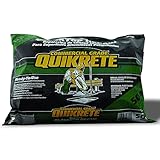
QUIKRETE High Performance Blacktop Repair
All-Season Cold Patch, 50 lb Bag
QUIKRETE makes more than one blacktop patch, and this is the one worth buying: the High Performance version, sold as an all-season formula for permanent repairs in wet or dry conditions. It is intended for potholes and for cracks wider than about 1 inch, which is exactly the zone where pourable crack fillers stop working and a proper patch has to take over. A 50 lb bag covers roughly 6 square feet at 1 inch thick, which puts it among the better yields on this list and makes it a strong value for a driveway with several medium-sized holes. It pours straight from the bag with no heating or mixing and stays pliable in cold weather, so you can work it into corners with a shovel and a hand tamper. We found it slightly softer than EZ Street for the first few weeks in summer heat, which is typical of solvent-based cold mixes; it firmed up as it cured and did not rut once compacted properly. The one scheduling detail to know is that QUIKRETE recommends waiting 30 days before sealing over the patch, so if you are planning a sealcoat this season, patch early. Its biggest practical advantage is availability: you can almost always find it the same day.
Pros
- Covers about 6 square feet at 1 inch deep per 50 lb bag, among the better yields here
- All-season formula for wet or dry conditions, and stays pliable in cold weather
- No heating or mixing; pour straight from the bag
- Easy to find at most home centers and farm stores
- Made in the USA with a DOT-approved formula
Cons
- QUIKRETE advises waiting 30 days before sealcoating over it
- Solvent-based mix can stay slightly soft in hot weather for the first few weeks
The Bottom Line
A dependable, widely stocked bagged patch that delivers most of what the premium options do at a friendlier price.
Latex-ite Quick Patch H2O Water-Activated Asphalt Patch
Water-Activated Patch, 3.5 Gallon Pail
Most cold patches need sidewalls. They work by being compressed into a confined hole, and if you spread them over a shallow dip or a broken driveway edge, they simply get pushed out by tyres. Latex-ite designed Quick Patch H2O to get around that. It is water-activated like Aquaphalt, so it cures chemically rather than waiting for solvents to evaporate, and Latex-ite says it can be placed without sidewalls on minor depressions, edges, aprons and berms. That makes it the patch we would reach for on the most common problem that is not really a pothole at all: the edge of the driveway crumbling where it meets the lawn. Latex-ite rates it traffic-ready in about an hour with full cure in 24 hours. Coverage is the weak point. A 3.5 gallon pail covers about 3.9 square feet at 1 inch deep, and a 1 gallon pail only about 1.4 square feet, so do the maths before you start a long edge repair. In use it tamped to a firm, textured black surface that matched a two-year-old driveway better than most bagged mixes, which look noticeably coarser. For deep potholes, buy a bagged mix; for thin edges and shallow dips, this is the better tool.
Pros
- Water-activated cure means traffic in about an hour and full cure in 24 hours
- Designed to work without sidewalls, so it handles edges, aprons and berms
- Very low VOC formula with no solvent smell
- Leaves a textured black finish that blends well with an existing driveway
Cons
- A 3.5 gallon pail covers only about 3.9 square feet at 1 inch deep
- Pricier per square foot than bagged cold patch
The Bottom Line
The right pick for crumbling edges and shallow depressions where an ordinary cold patch has nothing to grip.
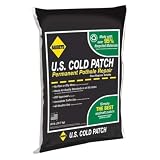
Sakrete U.S. Cold Patch Permanent Pothole Repair
Recycled-Content Cold Patch, 50 lb Bag
Sakrete U.S. Cold Patch is the value pick for a driveway with more holes than budget. It is sold as a permanent pothole repair in 50 lb bags and is made from more than 95 percent recycled materials, which keeps the price down and gives it a slightly coarser texture than the premium mixes. Sakrete says it can be placed in wet or dry conditions and at any temperature, and that it needs nothing more than placing and tamping, or driving over it, before traffic can use the area. The maker rates one bag for a hole roughly 2 feet across at 2 inches deep, which is a realistic figure and a useful sanity check for how many bags to buy. In our testing, the difference between a good result and a poor one was entirely compaction. Tamped hard in thin lifts, it formed a dense patch that shrugged off a car parked on it. Dumped in a single thick lift and lightly tapped, it stayed soft in the middle and dished within a week. That is true of every cold mix, but this one is less forgiving than the polymer-modified bags. It is low odour and does not leave oily footprints once compacted, which is not a given at this end of the market.
Pros
- Made with more than 95 percent recycled materials
- Low odour with reduced VOCs, and no oily tracking once compacted
- Can be placed in wet or dry conditions at any temperature
- Place, tamp or drive over it and the area is open to traffic
Cons
- Coarser texture than premium mixes, so the patch is more visible
- Needs heavier compaction than the polymer-modified options to avoid a soft centre
The Bottom Line
A sensible low-cost bag for multiple small potholes, as long as you are willing to tamp it thoroughly.

Latex-ite Super Patch Stone Asphalt Patch
Pour-and-Tamp Pail Patch, 3.5 Gallon
Super Patch is what most people mean when they talk about a pourable asphalt patch: a stone-and-binder mix that comes in a pail, pours out, and is tamped into place. Latex-ite describes it as a stone asphalt patch for potholes, large cracks and joints, with asphaltic binders for adhesion and long life, and says it is traffic-ready immediately. The 3.5 gallon pail weighs roughly 45 lb and covers about 3 to 4 square feet at 2 inches deep. The pail format has real advantages for a homeowner. It is easier to carry than a 50 lb sack, it pours more precisely into a small hole, and the lid means the leftovers stay workable rather than hardening in a torn bag in the shed. Latex-ite is also refreshingly direct about the limitation: the product works through compaction and needs sidewalls, and if you put it into a depression with no edges, it will not hold. That matches our experience. In a squared-off hole about 2 inches deep it compacted solidly and held up under a parked car; smeared into a shallow dip it pushed out within days. Use it for defined potholes and cracks wider than a crack filler can handle, and choose Quick Patch H2O for edges.
Pros
- Stone-and-asphaltic-binder mix that is traffic-ready immediately
- Resealable pail is far easier to handle and store than a split 50 lb bag
- Works on both asphalt and concrete, year-round
- Low VOC formula
Cons
- Must have firm sidewalls; it will not hold in a shallow depression
- About 3 to 4 square feet per pail at 2 inches deep, so costlier per hole than bags
The Bottom Line
A tidy, easy-to-handle pail patch for well-defined potholes, but the wrong choice for edges and shallow dips.
Henry Asphalt Driveway Pothole Patch
Ready-to-Use Patch, Gallon Can
Henry, better known for its driveway sealers, sells this pothole patch in a gallon can of roughly 11 lb, and that size is the entire case for it. It is a ready-to-use asphalt and aggregate compound for filling small potholes and cracks in asphalt driveways, parking areas and paths, and Henry says it can go down hot or cold, wet or dry, and is traffic-ready once compacted. There is no mixing and no special equipment; a trowel and the back of a shovel are enough for a hole this size. For a homeowner with a single fist-sized hole, a chipped corner by the garage slab or the little divot a trailer jack left behind, buying a 50 lb bag means storing 45 lb of leftovers that may harden before the next repair. This can avoids that. In our use it compacted into a tight, dark patch that blended reasonably with an older driveway. The drawback is obvious: per square foot, it is by far the most expensive product on this list, and it simply does not contain enough material for a real pothole. If you have more than one or two small spots, or anything wider than a dinner plate, the Sakrete or QUIKRETE bags are much better value.
Pros
- Small gallon can is ideal for one or two little holes without waste
- Ready to use with no mixing and no special tools
- All-weather: hot or cold, wet or dry, and traffic-ready after compacting
- Widely stocked, so easy to grab for a quick fix
Cons
- Very expensive per square foot compared with a 50 lb bag
- Too small for any pothole bigger than a dinner plate
The Bottom Line
Worth buying only for tiny holes and chipped spots; for anything bigger, a bag is better value.
4. Pothole Depth and How Much Patch to Buy
Depth is the number that decides both which product you need and how many bags to buy, and it is the one most people guess. Measure it properly: lay a straightedge across the hole and measure down to solid material at the deepest point, after you have cleaned out everything loose. A hole that looks 1 inch deep often turns out to be 3 once the crumbled asphalt comes out.
Under about half an inch, you are not really dealing with a pothole. Shallow surface wear and small cracks are better handled with a crack filler or a trowel-grade product, because a stone-filled patch cannot be compacted that thin and will ravel at the edges. Between roughly 1 and 2 inches, any of the patches on this list will work, and a single well-compacted lift is usually enough.
Beyond 2 inches, place the patch in lifts. Put down about 1 to 2 inches, compact it hard, then add the next layer. A thick patch compacted only from the top stays loose at the bottom, and that loose layer is what lets the whole repair settle into a dish. Holes deeper than about 4 inches should have the bottom filled with compacted gravel first, which is far cheaper than cold patch and gives the patch a firm base.
To estimate quantity, work out the area in square feet, multiply by the depth in inches, then divide by the maker's coverage at 1 inch. A 2 by 2 foot hole that is 2 inches deep needs about 8 square-foot-inches of material; with a bag rated at 6 square feet at 1 inch, that is a little over one bag. Always add about 20 percent, because good compaction squeezes the mix down and you want the finished patch slightly proud of the surrounding surface.
QUICK SIZING RULES
1-2 in
Ideal single-lift depth
2 in
Maximum per compacted lift
+20%
Extra material for compaction
4 in+
Add a compacted gravel base
5. Prepping the Hole
Preparation is dull, it takes longer than the patching, and it is the difference between a repair that lasts years and one that is gone by spring. The goal is simple: a clean, firm, dry-as-possible hole with solid sides for the patch to press against.
Start by removing everything loose. Chip out crumbling asphalt with a cold chisel or a mattock until you reach material that does not break away when you pry at it. Then sweep and vacuum or blow out the dust and grit. A layer of fine debris at the bottom acts like ball bearings under the patch and stops it bonding.
Next, square the edges if you can. Vertical sidewalls give the patch something to compress against and stop tyres from catching a feathered edge and peeling it up. A masonry blade in an angle grinder or a sharp chisel is enough for a driveway. Squaring off a ragged hole makes it slightly bigger, and that is fine; a neat, larger patch outlasts a small, ragged one.
If the hole sits in a patch of alligator cracking or the surrounding asphalt is breaking up, the pothole is a symptom rather than the problem. Patching it in isolation will buy a season at best. Our guide on how to fix a crumbling asphalt driveway covers how to deal with the wider area, and the broader asphalt repair guide explains when a larger cut-out patch is the smarter job.
Finally, deal with standing water. Water-activated patches and polymer-modified mixes such as EZ Street tolerate a wet hole, but even those perform better if you sweep out the worst of the puddle. For traditional solvent-based cold patch, a dry hole is a genuine advantage, so pick a dry day if you have the choice.
6. Compaction Decides Everything
If you remember one thing from this guide, make it this: a cold patch that is not compacted properly will fail no matter what it cost. Every product on this list works by being squeezed into a dense mass that locks its stones together and presses the binder against the sidewalls. Loose material simply gets pushed out by the first car that turns on it.
THE RULE
Tamp it until it stops moving, then tamp it again.
A properly compacted patch rings under the tamper and does not show a footprint when you stand on it. If you can still press a heel into it, it is not done. Thin lifts, heavy blows and a final pass with a vehicle tyre are what turn loose mix into a permanent repair.
A steel hand tamper is the minimum tool. Use it in overlapping blows across the whole patch, working from the edges toward the centre so the material is pushed into the corners. For anything more than a small hole, finish by driving slowly back and forth over the patch. Lay a sheet of plywood over it first so the tyre spreads the load and the mix does not stick to the tread.
Aim to finish the patch slightly higher than the surrounding surface, around a quarter of an inch. Traffic will compact it a little more over the first few weeks, and a patch that starts level ends up as a shallow dish that collects water. Water sitting on a patch is how the next pothole starts.
For water-activated products, follow the maker's wetting sequence exactly. They typically want the mix placed, soaked and compacted in a set order, and skipping the water or adding it after compaction leaves the lower layers uncured. With these products especially, do not rush; the chemistry needs both the water and the pressure.
7. Weather, Water and Winter Patching
Potholes appear in late winter and early spring, which is exactly when conditions are worst for patching. Freeze-thaw cycling opens the surface, water gets underneath, and by March the driveway is full of holes while the ground is still cold and wet. That timing is why cold patch exists, and why the weather rating on the bag matters more than it first appears.
Traditional solvent-based cold patch stiffens in the cold. It will still go into a hole in winter, but it is harder to work and slower to cure, so it needs even more compaction. Keeping the bag in a warm garage for a day before use makes a noticeable difference to how easily it spreads and compacts. EZ Street is rated for air temperatures from 0 to 100 degrees, and QUIKRETE High Performance is formulated to stay pliable in cold weather.
Water-activated patches are the strongest choice for genuinely cold work. Aquaphalt is sold as an all-season product that can be installed in below-freezing temperatures, and because it cures by reaction rather than evaporation, it does not sit soft for weeks waiting for warm weather. If you are fixing a hole in January that you drive over twice a day, the premium is easy to justify.
Summer brings a different problem. Solvent-based patches can soften on a hot afternoon, especially in the first few weeks, and may track or scuff under a turning tyre. Patch in the cool of the morning if you can, avoid parking directly on a fresh patch in the heat, and do not be alarmed if it feels slightly tacky at first; it will firm up as it cures.
Standing water is the other variable. Several of these products can go into a wet or even water-filled hole, which is a real advantage, but no patch bonds well to mud. Clear out silt and debris even if you cannot get the hole fully dry.
8. Sealing Over a Patch
Sealing over a patch is a good idea, but timing matters more than most people realise. Solvent-based cold patch needs to finish curing before a sealer goes over it. Seal too early and the solvents still leaving the patch can soften the sealer, leave a blotchy discoloured square, or stop the coating bonding at all.
Follow the maker's interval. QUIKRETE, for example, recommends waiting 30 days before sealing over its blacktop patch. If your product does not give a figure, a month in warm weather is a sensible default for solvent-based bags. Water-activated patches generally cure much faster, but check the label rather than assuming.
Plan the job in the right order: patch potholes first, fill cracks second, then seal the whole driveway once both have cured. That sequence means you are sealing a sound surface rather than painting over defects, and it gives the patch a uniform black finish so it no longer stands out as a square of different texture.
Choose a sealer suited to the rest of the driveway rather than the patch. Our guide to the best asphalt driveway sealers compares coal-tar-free emulsions, acrylics and the thicker sand-filled formulas, and any of them will cover a properly cured patch. Before you seal, clean the whole surface thoroughly; oil spots in particular will stop a sealer bonding.
If the patch sits next to paver borders or a paver walkway, protect those before you start. Asphalt sealer and cold patch residue are difficult to get out of porous concrete pavers, and if some does get on them, our guide to the best paver cleaner covers what will and will not lift it.
9. When Patching Stops Making Sense
A pothole patch fixes a hole. It does not fix a failing base, and it cannot rescue a driveway that is breaking up across large areas. Knowing where that line sits saves you from buying ten bags of patch for a problem that needs a different kind of repair.
The clearest warning sign is holes that keep coming back in the same place. If a well-compacted patch dishes, cracks around its edges and reopens within a season, water is getting under the asphalt and the base below it is soft. Patching the surface over and over will not change that; the soft area needs to be cut out, the base re-compacted, and the section rebuilt.
Widespread alligator cracking is the second sign. Those interlocking cracks mean the asphalt has lost its structure over that whole area, and a pothole within it is just the weakest point giving way first. A larger cut-out patch or a professional repair of the whole section will last far longer than several small cold patches sitting in failing asphalt.
As a rough rule, if damage covers more than about a quarter of the driveway, or the driveway is well past its expected life, get a quote for resurfacing or replacement before spending heavily on patch. Money spent on bags and sealer for a driveway that needs rebuilding is money you will spend again next year.
None of this is an argument against patching. For isolated holes in an otherwise sound driveway, a good cold patch or water-activated repair is exactly the right answer, and it is one of the most cost-effective jobs a homeowner can do. The point is to match the fix to the fault.
10. Common Mistakes to Avoid
Dumping the whole bag in at once
A single thick lift compacted only from the top stays loose underneath, and that loose layer lets the whole patch sink into a dish within weeks. Place material in lifts of 1 to 2 inches, compact each one hard, and only then add the next layer on top.
Leaving loose debris in the hole
Crumbled asphalt, grit and dust at the bottom of a pothole stop the patch bonding and act like ball bearings under traffic. Chip back to firm material, sweep it clean and blow out the fines. It takes ten minutes and doubles the life of the repair.
Finishing the patch flush or low
Every patch compacts a little further under traffic. A patch that starts level with the driveway ends up as a shallow depression that holds water, and standing water is how the next pothole begins. Finish about a quarter of an inch proud of the surface.
Using cold patch in shallow depressions
Bagged and pail patches need sidewalls to compress against. Spread thinly across a shallow dip or a crumbling edge, they get pushed out by tyres. Use a water-activated patch rated for use without sidewalls, or cut the area square to create proper edges.
Sealcoating over a fresh patch
Solvent-based cold patch keeps releasing solvent while it cures, and sealer applied too soon can soften, discolour or fail to bond over it. Follow the maker's waiting period, often around 30 days, and seal the whole driveway once patches and crack repairs have cured.
11. Frequently Asked Questions
What is the best asphalt patch for a driveway pothole?
For a single hole you want to fix once, a water-activated patch like Aquaphalt 6.0 is the most durable choice we tested. For several medium potholes, a polymer-modified bag such as EZ Street or QUIKRETE High Performance Blacktop Repair gives the best balance of performance and cost. Whichever you choose, compaction matters more than brand.
What is the best cold patch asphalt?
Among bagged cold mixes, EZ Street was the most forgiving in our testing because its polymer-modified binder grips the sides of the hole and it can go into wet holes. QUIKRETE High Performance is a close second with a better yield per bag. Sakrete U.S. Cold Patch is the budget choice if you compact it thoroughly.
How deep can you fill a pothole with cold patch?
Any depth, provided you work in lifts. Place 1 to 2 inches at a time and compact each layer hard before adding the next. For holes deeper than about 4 inches, fill the bottom with compacted gravel first; it gives a firmer base and saves a lot of expensive patch material.
Is cold patch asphalt permanent?
It can be, when it goes into a clean hole with firm sidewalls, is compacted in thin lifts and sits in a driveway with a sound base. Most early failures come from poor compaction or from patching over a failing base. If the same hole keeps reopening, the problem is underneath the asphalt and needs a deeper repair.
Can you patch asphalt in the rain or cold?
Several products are designed for it. EZ Street and QUIKRETE High Performance can go into wet holes, and Aquaphalt is sold for installation below freezing. Solvent-based bags stiffen in cold weather, so warm them in a garage first. Whatever the product, sweep out standing water and mud before placing the patch.
How long before you can drive on an asphalt patch?
Most of these patches accept traffic as soon as they are compacted, and driving slowly over them with plywood on top is part of the compaction process. Water-activated products reach full cure in about 24 hours. Avoid parking on a fresh solvent-based patch in hot weather for the first week, because it can scuff under turning tyres.
Can you seal over an asphalt patch?
Yes, and it helps the patch blend in, but wait until it has cured. QUIKRETE recommends 30 days before sealing its blacktop patch, and a month is a sensible default for other solvent-based mixes. Patch holes first, fill cracks second, then seal the whole driveway in one go so the finish is uniform.
Related Asphalt Repair Guides
Deep Dive
Cold Patch Asphalt Explained
How cold patch works, why it pops out, and when a pothole is too big for it.
Buyer's Guide
Best Asphalt Crack Filler
The right products for the cracks too narrow for a pothole patch.
Buyer's Guide
Best Paver Cleaner
Cleaners matched to efflorescence, oil, rust and organic stains on pavers.
The Bottom Line
The best asphalt patch is the one matched to your hole. For a single pothole you never want to see again, Aquaphalt 6.0 is worth its premium. For several ordinary potholes, EZ Street or QUIKRETE High Performance will do the job at a fraction of the cost, and Latex-ite Quick Patch H2O is the specialist for edges and shallow dips where other patches have nothing to grip.
Whatever you buy, the work around it decides the result: clean the hole back to solid material, square the edges, place the patch in thin lifts and compact it until it stops moving. Do that, wait for it to cure before sealing, and a bag of cold patch can outlast the driveway around it.
More in Driveway & Concrete
Guides in this category that pair with what you just read.
About the Author
Alex Rivers, Home Improvement Editor
Alex has spent over a decade working on residential and light commercial property maintenance, and now tests every tool, coating and machine that appears in these guides personally.