Best Driveway Sealer at Menards (2026)
We tested the asphalt and concrete driveway sealers Menards actually stocks — regional names alongside the national brands — and ranked the 5 that earned a genuine recommendation.
Alex Rivers
Home Improvement Editor
Last Updated
October 17, 2026
Alex Rivers
Home Improvement Editor
Last Updated
October 17, 2026
In This Guide
Menards' driveway sealer aisle skews toward a slightly different mix of brands than the bigger national chains — some overlap, some regional names you won't see everywhere. Here's which of what's actually on the shelf is worth buying, and how to buy it well.
Our Picks at a Glance
The Short Answer
Gardner Blacktop Driveway Sealer (Best Overall Asphalt). The sealer most Menards shoppers should grab first. Solid body, dependable stock, and an application process that's genuinely forgiving for a first-time DIYer.
- Check Price
- Best for a Fast Maintenance Coat Henry DriveSeal 200 Blacktop Sealer — Coal-Tar-Free Asphalt EmulsionCheck Price
- Check Price
- Check Price
- Best Budget Asphalt Rust-Oleum EPOXYSHIELD Blacktop Filler & Sealer — Acrylic Blacktop Filler SealerCheck Price
We may earn a commission when you buy through these links, at no extra cost to you. How we test
Best Overall Asphalt
Gardner Blacktop Driveway Sealer
A quick, honest note: these are products commonly stocked at Menards, and that's the lens for this guide. Availability varies by store and season, so confirm current stock before making the trip for a specific product.
The 5 Best Driveway Sealers at Menards — Tested & Ranked
We tested each product on matching driveway sections — asphalt and concrete — tracking coverage, dry time, color retention, and how the surface held up over a full season of sun, rain, and traffic. These are the five that earned a clear recommendation.

Gardner Blacktop Driveway Sealer
Sand-Fortified Asphalt Emulsion
Gardner's blacktop sealer is the workhorse of Menards' seasonal driveway aisle — not the flashiest name on the shelf, but consistently in stock and consistently competent. The sand-fortified formula gives it enough body to knit over hairline surface cracking as you spread it, and on our test section it laid down an even, deep black finish with a single squeegee-and-broom coat. Coverage ran close to 350–400 square feet per 4.75-gallon pail on a previously-sealed surface. Where it earns the top spot isn't any one standout feature — it's that it does the fundamentals well, is easy for a first-timer to apply without streaking, and Menards keeps it stocked reliably from spring through fall, which matters more than people expect when you're trying to time a sealing weekend around the weather.
Pros
- Sand-fortified body fills fine surface cracks as you apply it
- Reliable stock at Menards throughout sealing season
- Deep, even black finish that holds color well through a full season
- Straightforward squeegee-and-broom application
Cons
- Needs a full dry, warm weather window to cure properly
- Thinner than premium polymer sealers, so plan on the standard 2–3 year recoat interval
The Bottom Line
The sealer most Menards shoppers should grab first. Solid body, dependable stock, and an application process that's genuinely forgiving for a first-time DIYer.

Henry DriveSeal 200 Blacktop Sealer
Coal-Tar-Free Asphalt Emulsion
Henry DriveSeal 200 is the maintenance-coat specialist in Menards' lineup — a thin, coal-tar-free emulsion designed to refresh a driveway that's already in reasonable condition rather than rescue one that's failing. Used the way it's intended, as a top-up over an existing sealed surface, it performs well: fast spread, minimal odor, and dry-to-traffic in a matter of hours on a warm day. It's the wrong choice for a first-time seal on a tired, cracked driveway — the thin body won't fill anything and disappears into a porous surface without building real protection. Match it to a driveway that just needs its color and water resistance topped up, and it's the easiest product in this guide to live with.
Pros
- Thin, fast-spreading formula ideal for a quick refresh coat
- Coal-tar-free and noticeably lower odor than older-style sealers
- Dries fast enough to reopen to traffic the same day in good weather
- Excellent coverage per pail on a driveway that's already in decent shape
Cons
- Too thin to fill cracks or rescue a heavily weathered driveway
- Best as a top-up over an existing sealed surface, not a first-time restorative coat
The Bottom Line
The right pick if your driveway is already in good shape and you just want a fast, low-odor refresh rather than a full restorative job.
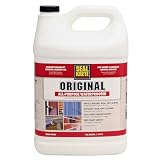
SEAL-KRETE Original Concrete Sealer
Penetrating Acrylic Concrete Sealer
SEAL-KRETE has built its reputation on being the practical, no-drama concrete sealer, and that reputation holds up on a driveway. It's a penetrating acrylic that soaks into the slab and seals against water and salt without building the thick, glossy film some buyers find slick when wet. On our concrete test section it applied evenly with a roller, dried to a natural matte-to-satin look that darkened the concrete slightly without an artificial sheen, and shrugged off a season of salt exposure with no whitening or blushing. The added versatility — it doubles as a bonding primer if you later want to apply a decorative overlay or coating — makes it a smart buy for anyone not yet certain they want the glossy 'wet look' aesthetic some competing sealers push.
Pros
- Penetrates and seals concrete without leaving a heavy glossy film
- Also works as a bonding primer for coatings and overlays
- Water cleanup and low odor for an easy indoor/outdoor DIY job
- Good value per gallon relative to premium wet-look sealers
Cons
- Natural, low-sheen finish for buyers who specifically want a glossy wet look
- Multiple thin coats generally outperform one thick one — extra application time
The Bottom Line
The straightforward, do-it-right concrete sealer Menards stocks. Not flashy, but it seals concrete properly and doubles as a bonding primer if you ever coat over it.
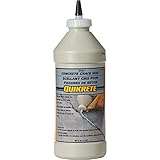
Quikrete Concrete & Asphalt Sealer
Dual-Surface Acrylic Sealer
Quikrete's dual-surface sealer solves a specific, common problem: driveways that transition from a concrete apron or garage pad into asphalt, where buying two separate sealer types feels like overkill for a smaller job. It's rated and formulated to bond with both substrates, and in our testing it performed respectably on each — not the outright winner on either surface individually, but a genuinely usable, budget-friendly option that saves a second trip to the sealer aisle. For a driveway that's entirely one material, our other picks edge it out on that specific surface. For mixed surfaces or a smaller budget, it's the sensible single-product answer.
Pros
- One product rated for both concrete and asphalt surfaces
- Budget-friendly price point relative to specialty sealers
- Widely available at Menards year-round, not just seasonally
- Simple roller or sprayer application
Cons
- Jack-of-all-trades formula trails dedicated single-surface sealers on ultimate durability
- Asphalt performance is solid but not class-leading against thicker, sand-fortified blacktop sealers
The Bottom Line
The pick if you have mixed surfaces — a concrete apron feeding an asphalt driveway — and would rather buy one product than two.
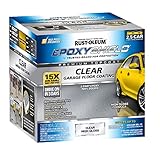
Rust-Oleum EPOXYSHIELD Blacktop Filler & Sealer
Acrylic Blacktop Filler Sealer
This is the value option in Menards' asphalt sealer lineup, and we evaluated it honestly as one. It spreads easily to a clean, even black finish and includes a sand load that adds traction and helps close very fine surface cracking. The trade-off for the low price is a thinner film and a shorter realistic service life — budget on recoating every couple of years rather than stretching it out. It's also the least forgiving of a marginal weather window, since it's slower to fully cure than the polymer-modified options. Plan the application around a clear, dry forecast and it delivers a genuinely clean, fresh-looking driveway for the least money in this guide.
Pros
- Lowest cost-per-square-foot asphalt sealer in this guide
- Sand-filled formula adds traction and fills very fine surface cracks
- Easy single-coat squeegee application
- Reliably stocked at Menards during sealing season
Cons
- Thinner film than premium sealers means a shorter realistic service interval
- Needs a solid dry weather window — an early shower on a fresh coat can streak it
The Bottom Line
The honest budget pick for a big driveway on a smaller budget. Does a respectable job for the least money per pail.
Buying Guide: Asphalt vs. Concrete at Menards
The same rule applies at every retailer: identify your surface before comparing brands. Black asphalt emulsion sealers (Gardner, Henry, Rust-Oleum EPOXYSHIELD) are for blacktop driveways. Clear or lightly tinted acrylic sealers (SEAL-KRETE) are for concrete. Dual-rated products (Quikrete Concrete & Asphalt Sealer) work on both, which is useful if your driveway transitions between the two materials.
| Product | Surface | Coverage / Unit |
|---|---|---|
| Gardner Blacktop Sealer | Asphalt | ~350–400 sq ft / 4.75-gal pail |
| Henry DriveSeal 200 | Asphalt | ~450–500 sq ft / 4.75-gal pail |
| SEAL-KRETE Original | Concrete | ~200–300 sq ft / gallon |
| Quikrete Concrete & Asphalt | Both | ~150–200 sq ft / gallon |
| Rust-Oleum EPOXYSHIELD | Asphalt | ~350 sq ft / 4.75-gal pail |
Shopping Menards' Seasonal Sealer Aisle
Like most retailers, Menards stocks asphalt sealer heaviest from spring through early fall, since it needs to be applied in warm, dry conditions. Concrete sealers like SEAL-KRETE and dual-rated Quikrete tend to be available closer to year-round since they're used in a wider range of projects beyond just driveways. If you're planning a first-time seal job with crack filling, buy your crack filler and sealer on the same trip — they're typically stocked right next to each other.
How to Seal a Driveway: Step by Step
Whichever of these five products you buy, the application sequence that determines whether it lasts is the same. Sealer failures trace back to prep and timing far more often than to the product itself, so treat the following steps as non-negotiable regardless of which pail you're carrying home from Menards.
Step 1: Clean the Surface Completely
Sweep off all dirt, leaves, and loose debris, then scrub away oil and grease stains with a degreaser made for driveways — motor oil and transmission fluid drips are the number-one reason sealer fails to adhere. Pull weeds growing through any cracks or joints. Rinse the entire surface and let it dry fully before moving on; sealer will not bond to a dirty, oily, or damp surface, and this step does more for the finished job's longevity than which brand you chose.
Step 2: Fill Cracks and Potholes First
Fill anything wider than a hairline with a dedicated crack filler — Menards stocks these right alongside the sealers — and patch any potholes with a cold-patch asphalt repair product. Even the thickest, sand-fortified sealer in this guide only bridges hairline cracking; wider gaps need to be filled and allowed to cure separately first, or they'll simply reopen and trap water under your fresh coat.
Step 3: Watch the Weather, Not the Calendar
You need at least 24, ideally 48, hours of dry weather above 50°F with no rain in the forecast, and ideally overcast rather than baking midday sun during application. Sealing ahead of a surprise shower is the single fastest way to streak, wash out, or lose adhesion on a fresh coat. Pick your weekend from the forecast, and be willing to push the job back a few days if the window looks marginal.
Step 4: Edge and Cut In First
Tape off or carefully brush-cut along the garage apron, walkways, and any grass or landscaping edges before working the open field. Asphalt sealer stains concrete and pavers permanently, so protect adjacent surfaces before you start rolling or squeegeeing the main area. Work from the back of the driveway toward the street so you never trap yourself in a corner with wet sealer between you and dry ground.
Step 5: Apply Thin, Even Coats
Pour a ribbon of sealer and spread it with a squeegee-broom applicator for asphalt or a roller for concrete, keeping the coat thin and even rather than thick and puddled. Thin coats cure properly all the way through and last; thick coats stay soft underneath, track onto tires and shoes, and are the leading cause of the cracking and peeling buildup that eventually requires stripping. For a first-time application, plan on two coats in alternating directions; for a maintenance reseal over sound existing sealer, one thin coat is usually enough.
Step 6: Keep Traffic Off Until It Cures
Keep foot traffic off for at least 24 hours and vehicles off for 48 hours, longer in cool or humid weather. Rushing this step is the classic way to ruin an otherwise good application — tires will scuff, lift, and track a coat that hasn't fully cured. Block the driveway with cones or a visible barrier so nobody in the household forgets and pulls in early.
Surface Prep: The Step That Determines Your Results
It bears repeating on its own, separate from the numbered steps above, because it's the single most common reason a driveway sealing job fails regardless of which product from this guide you bought. The best sealer Menards sells will peel and wash away on a dirty, oily, or improperly cured surface, while a budget sealer applied to a properly prepped driveway will outperform expectations.
Brand-new asphalt needs to cure for 60–90 days minimum before its first sealing so that surface oils can fully off-gas; sealing too soon traps those oils and keeps the coating soft and prone to failure. Oil and gas spots need targeted degreasing and, for stubborn stains, an oil-spot primer before sealer goes over the top — sealer simply will not stick to petroleum residue no matter how good the product is. And any standing water or damp patches need a full extra day of dry time beyond what looks dry to a quick glance, since moisture trapped under a fresh coat is one of the fastest ways to cause bubbling and delamination.
Best Conditions to Apply
Weather is half the job, regardless of the sealer. The ideal window is a stretch of dry weather above 50°F, with overnight lows staying above freezing and no rain forecast for at least 24 hours after you finish. Late spring through early fall is the sweet spot for asphalt sealers specifically, which is exactly when Menards' seasonal sealer display is fully stocked with the widest selection.
Avoid sealing in direct, baking midday sun, which can skin the surface of the coat before it cures underneath and trap moisture that causes bubbling or a persistently tacky finish. An overcast but dry day, or applying in the cooler part of a warm afternoon, gives the most even cure. Humidity above roughly 80% dramatically extends dry time regardless of temperature, so check both the rain forecast and the humidity level, not just the thermometer, before committing to a sealing weekend.
How We Tested
We applied each of these five products to matching sections of real driveways — an asphalt drive and a concrete slab — after identical surface prep: degreasing, crack repair where needed, a hose rinse, and a verified full dry-down before application. Each sealer went on per its label directions with the correct applicator, and we logged actual coverage per pail or gallon, time-to-touch, time-to-traffic, and how forgiving or unforgiving the application process felt for a first-time DIYer.
The sections then went through a full season of sun, rain, and daily traffic. At monthly checkpoints we assessed color retention, water beading with a standardized pour test, and any sign of flaking, tracking, or premature wear. The five products in this guide are the ones that held up and earned a genuine recommendation for a Menards shopper choosing between what's actually on the shelf.
What to Buy Alongside Your Sealer
A successful sealing weekend rarely comes down to the sealer alone — the supporting materials you pick up on the same trip determine how smoothly the job goes. Grab a dedicated crack filler in a caulk tube for hairline cracks or a pourable jug formula for wider gaps, plus a cold-patch asphalt repair compound if you have any small potholes to address before sealing. A concentrated driveway degreaser handles oil and transmission fluid spots, which are otherwise the most common reason a fresh coat fails to bond in specific patches.
For application, a squeegee-broom applicator is the standard tool for asphalt sealers and spreads far more evenly than a paint roller across an open field, while a 3/8-inch nap roller is the right call for concrete sealers. Painter's tape protects the edges where your driveway meets the garage apron, walkways, or lawn, since asphalt sealer stains any surface it touches permanently. Finish the kit with a few cones or a visible barrier to keep vehicles and foot traffic off the driveway during the cure window — an inexpensive investment against tire tracks scuffing into a coat that hasn't fully set.
Shopping In-Store vs. Ordering Online for Pickup
Menards offers both walk-in shopping and online ordering with in-store pickup, and for driveway sealer specifically there's a real practical reason to lean toward checking inventory online first during peak season. Sealer is a seasonal, high-volume item, and a store can sell through its stock of a specific product faster than the shelf tag might suggest on a busy spring weekend. Checking online inventory before making the trip — particularly if you need multiple pails of the same product for color and formula consistency across a large driveway — saves a wasted trip and lets you compare what's actually in stock at nearby locations if your first-choice store is out.
The trade-off is that a phone or in-person conversation with a lumber-and-building-materials associate can be genuinely useful for a first-time sealer buyer trying to figure out whether their driveway is asphalt or concrete, or whether their cracking looks like something crack filler can handle versus something that needs a paving contractor. If you're uncertain about your driveway's condition, an in-store trip where you can ask questions and look at the product labels side by side is worth the extra time over a blind online order.
Don't Forget Menards' Rebate Program
One genuinely practical reason to buy driveway sealer at Menards rather than a competing chain is the store's well-known mail-in rebate program, which frequently applies to seasonal items like driveway sealer during peak spring and summer promotions. The effective post-rebate price on a pail of sealer can end up noticeably lower than the shelf price at a competing retailer for the same or a comparable product. The catch is real too: rebates require saving your receipt, filling out the form correctly, and mailing it in within the stated window, and the payout comes back as store credit rather than cash. If you're buying multiple pails for a large driveway, it's worth checking the current rebate percentage before you check out, since it can meaningfully change which retailer actually offers the better deal once you account for it.
Common Mistakes Shopping the Sealer Aisle
The most frequent mistake we see is buying based on price per pail alone without checking the surface type on the label — grabbing a black asphalt emulsion sealer for a concrete driveway (or the reverse) wastes the purchase entirely, since neither bonds properly to the wrong substrate. The second common mistake is underestimating quantity: measuring the driveway's square footage and buying exactly that amount of coverage, with no buffer, leaves you short if the surface is more porous than expected or if you decide two coats are needed instead of one.
The third mistake is buying sealer without also grabbing crack filler and a degreaser on the same trip. These sit right next to the sealer in Menards' seasonal aisle for a reason — skipping them means a second trip once you realize the driveway needs crack repair or oil-spot treatment before the sealer will actually adhere. Buy the full kit of prep materials up front rather than discovering mid-project that you need to make a return visit with a wet, half-finished driveway waiting.
Frequently Asked Questions
What is the best driveway sealer at Menards?
For asphalt driveways, Gardner Blacktop Driveway Sealer is the best all-around pick — solid body, reliable availability, and an easy application for first-time DIYers. For concrete driveways, SEAL-KRETE Original is the top pick. Match the type to your surface.
Does Menards carry the same brands as Home Depot?
There's overlap — both stock Rust-Oleum EPOXYSHIELD and Henry products — but Menards also carries regional brands like Gardner and Quikrete's dual-surface sealer. Check current in-store stock, since selection shifts through the season at both chains.
How much driveway sealer should I buy at Menards?
Asphalt sealers typically come in 4.75-gallon pails covering 300–400 sq ft per coat. A standard two-car driveway (~600 sq ft) usually needs two pails for a first-time two-coat job, or often one pail for a single-coat maintenance reseal.
Can I use a concrete sealer on my asphalt driveway?
No, with one exception: dual-rated products like Quikrete Concrete & Asphalt Sealer are formulated for both. Standard acrylic concrete sealers won't bond with or protect asphalt, and asphalt emulsion won't adhere properly to concrete.
Is it worth waiting for a rebate before buying driveway sealer at Menards?
If your project timeline allows it, checking the current rebate percentage before buying is worth the few minutes it takes — the effective savings can be substantial on a multi-pail purchase for a large driveway. Just weigh that against your actual weather window; delaying a purchase to catch a slightly better rebate isn't worth missing the dry, warm stretch you need for the job to cure properly.
Does Menards price-match driveway sealer against other retailers?
Menards' price-match policies vary by store and change periodically, so confirm current policy with your local store before assuming a specific match will apply. It's worth asking about in-store if you've seen the same product priced lower elsewhere, particularly during the competitive spring sealing season when several chains run overlapping seasonal promotions.
What time of year does Menards stock the most driveway sealer?
Selection is widest from late spring through mid-summer, matching the ideal warm, dry application window for most products. Stock thins out heading into fall and largely disappears over winter, so plan a spring shopping trip if you want the full lineup this guide covers rather than whatever's left on clearance in September.
Related Guides
Ready to Seal Your Driveway?
Match the product to your surface, watch the forecast, and any of these five picks will do right by your driveway.
See Our Top Driveway SealerMore in Driveway & Concrete Sealers
Guides in this category that pair with what you just read.
About the Author
Alex Rivers, Home Improvement Editor
Alex has spent over a decade working on residential and light commercial property maintenance, and now tests every tool, coating and machine that appears in these guides personally.