The 7 Best Push Mowers in 2026
We pushed 12 mowers across a full season on flat lots, small yards, and tight spaces around beds. Gas, battery, and manual reel. Only 7 were worth the effort of pushing.
Alex Rivers
Home Improvement Editor
Last Updated
October 17, 2026
In This Guide
Self-propulsion is the default upsell in mower shopping, and for a large or hilly lawn it is worth every dollar. For a flat lot under a quarter acre, it adds weight, cost, and one more thing to break in exchange for a benefit you barely notice. A good push mower is lighter, cheaper, simpler, and often cuts just as well. Here are the seven we would actually push.
Our Picks at a Glance
The Short Answer
Honda HRN216PKA 21" (Best Overall). The push mower to buy if you want one machine for fifteen years. Expensive up front and the cheapest per year of service.
We may earn a commission when you buy through these links, at no extra cost to you. How we test
Best Overall
Honda HRN216PKA 21"
1. Do You Actually Need Self-Propelled?
Self-propulsion is the single most common upsell in mower shopping, and it is genuinely worth the money on the right property. On the wrong one it is added cost, added weight, and an extra system that eventually needs a drive belt or cable replaced. Here is how to tell which you have.
Slope is the deciding factor, not size. On flat ground, pushing a 50-pound battery mower across a quarter acre is a mild walk. On a 15-degree slope, pushing a 70-pound gas mower uphill is genuine physical work, and that is where a drive system earns its cost. Walk the steepest part of your lawn. If you naturally lean forward or slow down to keep footing, self-propulsion is worth it.
Weight changes the calculation. A battery push mower typically weighs 20 to 30 pounds less than a gas mower of the same deck size because there is no engine block on the deck. Many people who assume they need self-propulsion because their old gas mower was exhausting find that a lighter battery push mower is entirely comfortable on the same lawn.
Obstacles favor push mowers. A lawn full of beds, trees, and tight corners requires constant pivoting, and a push mower is genuinely easier to turn and reposition than a self-propelled machine whose drive wheels resist being redirected. On a complex small lot, push is often the more pleasant tool.
Physical considerations override everything. If back, knee, or shoulder issues make pushing difficult, buy self-propelled regardless of lawn size. This guide is about what a push mower does well, not about talking anyone out of a tool that keeps mowing sustainable for them.
The Numbers Don't Lie
1/4 acre
Where push mowers stay comfortable
20-30 lb
Weight saved going battery over gas
19 lb
Weight of a manual reel mower
14-21"
Deck width range in this guide
2. Gas, Battery, Corded, or Reel
Push mowers come in four genuinely different forms, and unlike self-propelled mowers where gas and battery dominate, all four are viable choices depending on the lawn.
Gas Push
Unlimited runtime and the most power for thick or tall grass. Heavier than every alternative, requires seasonal maintenance and fuel management, and is loud enough to want hearing protection. Best for larger flat lawns, for grass that regularly gets ahead of you, and for anyone who does not want to think about runtime.
Battery Push
The sweet spot for most modern suburban lots. Substantially lighter than gas, instant starting, near-silent, and essentially maintenance-free apart from the blade. Runtime of 45 to 60 minutes caps the practical lawn size at roughly a quarter to half acre unless you own a spare pack.
Corded Electric
The cheapest powered option with the lowest lifetime cost, since there is no battery to replace. Never runs out of power. The cord is a genuine practical limitation around obstacles and caps usable range at about 100 feet from an outlet. Excellent for small open lots.
Manual Reel
No power source at all. Produces the cleanest cut of any mower type through a scissor action, weighs almost nothing, and costs the least to buy and run. Requires physical effort, cannot cut tall or overgrown grass, and is impractical above roughly 2,000 square feet. Delightful on a small lawn cut on schedule.
| Type | Best Lawn Size | Weight | Maintenance |
|---|---|---|---|
| Gas Push | Up to 1/2 acre | 65-72 lb | Oil, plugs, filters, fuel |
| Battery Push | Up to 1/2 acre | 45-55 lb | Blade only |
| Corded Electric | Under 1/8 acre | ~29 lb | Blade only |
| Manual Reel | Under 2,000 sq ft | ~19 lb | Sharpening every 1-2 years |
3. The 7 Best Push Mowers in 2026 — Tested & Ranked
We ran each mower on the same flat quarter-acre route, a tight section with beds and trees requiring constant pivoting, and a damp morning cut, tracking cut quality, clumping, pivoting effort, and how tiring each was across a full session. These seven earned their place.

Best OverallHonda HRN216PKA 21"
Gas Push, GCV170 Engine, Twin Blade
Push mowers are often treated as the budget tier, which is why the HRN216PKA is a useful corrective. It is built to exactly the same standard as Honda self-propelled machines, with the same GCV170 engine, the same deck construction, and the same twin-blade MicroCut cutting system, simply without the transmission and drive wheels. What you get is a mower that in our testing started on the first pull in every single session across a full season, including the first start after months of winter storage, and produced the finest mulch in the entire test group. The MicroCut system is the standout technical feature. Two blades stacked at different angles cut clippings twice before discharge, producing a mulch fine enough to disappear into the lawn even on a damp cut, where single-blade mowers left visible rows of clumped clippings. On a lawn where you mulch rather than bag, that difference is visible every week. Bagging performance is equally strong thanks to deck airflow that lifts and carries clippings efficiently. The costs are price and weight. This is priced well above typical push mowers, which only makes sense if you plan to keep it for a decade rather than replacing a cheap mower every four years. And at around 71 pounds it is genuinely heavy for a mower you are pushing yourself, which is fine on a flat quarter acre and tiring on anything with slope. Buy it for a flat lawn you care about.
Pros
- Honda GCV170 engine starts on the first pull consistently, including after winter storage
- MicroCut twin-blade system mulches finer than any single-blade mower in this guide
- Built to the same standard as Honda self-propelled mowers, which is a decade-plus of service
- Excellent bagging performance thanks to strong deck airflow
- Widely serviced with good parts availability for the long term
Cons
- The most expensive push mower here by a clear margin
- Heavy for a push mower at around 71 pounds, which is felt on a long session
- All the usual gas maintenance applies: oil, plugs, air filter, and fuel management
The Bottom Line
The push mower to buy if you want one machine for fifteen years. Expensive up front and the cheapest per year of service.

Best Battery PushEGO Power+ LM2130 21" Push
Battery Push, 56V, Brushless
The strongest argument for a battery push mower is not environmental or even financial, it is physical. Removing an engine block from the top of the deck takes roughly 25 pounds out of the machine compared to a gas push mower of the same size, and that difference is felt on every single turn, every pivot around a bed, and every stretch of a long session. In our testing this was the mower people found least tiring to push, and by a clear margin over the gas options. Cutting performance is not a compromise. The 56V brushless motor held blade speed through normal and moderately thick grass without bogging, and cut quality on a dry lawn was clean and even. Push-button starting removes the single most annoying interaction with a gas mower, and there is no fuel to stabilize, no carburetor to gum up, and no spark plug to change. Folding flat and standing upright means it occupies a fraction of the garage floor a gas mower does, which matters in a crowded space. Runtime is the limiting factor and worth checking honestly. A large pack delivers 45 to 60 minutes in real conditions, which covers a quarter acre comfortably and a half acre with less margin, particularly if you bag rather than mulch. And the price, with battery and charger, sits at the premium end. For a flat lot under half an acre, it is the mower we would buy.
Pros
- The 56V motor cuts as well as a mid-tier gas mower with none of the noise or maintenance
- Roughly 25 pounds lighter than a comparable gas push mower, which transforms the pushing experience
- Push-button start every time, with no pull cord and nothing to gum up over winter
- Folds flat and stands upright for genuinely compact storage
- Shares batteries with the large EGO trimmer, blower, and chainsaw lineup
Cons
- Runtime of 45 to 60 minutes caps it at roughly a quarter to half acre per charge
- Premium pricing once a battery and charger are included
- Cut quality in wet grass trails dual-blade systems slightly
The Bottom Line
The best push mower for most people. Light enough that pushing is genuinely easy, powerful enough that you never think about it.
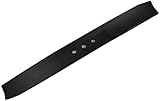
Best Gas ValueToro Recycler 21" (21322)
Gas Push, Briggs & Stratton, 3-in-1
Toro Recycler line has been the practical middle of the American mower market for years, and the 21322 shows why. Its Recycler deck geometry generates strong airflow that lifts grass upright before cutting and recirculates clippings for additional chopping, producing mulch quality that comes surprisingly close to Honda twin-blade system despite using a single blade. On a dry lawn the finish was clean and even, and on a damp cut it produced noticeably less clumping than budget mowers in the same test. What it really offers is value. It costs meaningfully less than the Honda while delivering most of the cutting performance, and the Briggs & Stratton engine is among the most widely serviced small engines in the country, with parts available essentially everywhere. For a homeowner who wants a gas mower that will last a decade without paying premium-brand prices, this is the sensible landing spot. Where it gives ground is starting and refinement. It took more pulls from cold than the Honda in our testing, consistently starting on the second or third rather than the first, which is unremarkable for a gas mower but a visible difference in a direct comparison. At around 68 pounds it carries the same weight penalty as any gas push mower, and it demands the usual seasonal maintenance: oil changes, air filter cleaning, spark plug replacement, and fuel stabilization before storage. None of that is a flaw, just the cost of gas.
Pros
- Recycler cutting system produces excellent mulch for a single-blade mower
- Costs substantially less than the Honda while cutting nearly as well
- Reliable Briggs & Stratton engine with widely available parts and service
- 3-in-1 mulch, bag, and side discharge with quick changeover
- Toro dealer network makes long-term support easy to find
Cons
- Starting takes more pulls than the Honda, particularly from cold
- Heavier than battery alternatives at around 68 pounds
- Standard gas maintenance and fuel management required
The Bottom Line
The sensible gas push mower. Most of the Honda cut quality for meaningfully less money, with the same long-term serviceability.

Best Value BatteryGreenworks 48V 20" Push
Battery Push, Dual 24V, Brushless
The 48V Greenworks solves the cordless price problem in a clever way. Rather than a single expensive proprietary high-voltage pack, it runs two standard 24V batteries in series, and those same 24V packs power a wide range of inexpensive Greenworks tools. The practical result is that a spare set of batteries costs a fraction of what a spare high-voltage pack does, which makes the runtime limitation far easier to work around than it is on premium platforms. As a mower it exceeds its price. The brushless motor cut cleanly through normal grass without the strain that cheaper brushed motors show, and at around 45 pounds it is the lightest powered mower in this guide, which makes maneuvering around beds and along fences genuinely effortless. Single-lever height adjustment is a small convenience used every few weeks that beats adjusting four separate wheels. The 3-in-1 discharge covers mulching, bagging, and side discharge without needing extra parts. Its limits are size and runtime. Twenty inches is a narrow deck, and across a full lawn it means noticeably more passes than a 22-inch mower, which partially cancels the time savings of a light machine. Roughly 45 minutes of runtime caps it at about a quarter acre unless you own a second set of packs. And build quality, while entirely adequate for homeowner use, does not have the solidity of the premium options. For a small flat lot on a budget, it is the smart buy.
Pros
- Typically ships as a full kit with batteries and charger at a very competitive price
- Runs on two common 24V packs, so expanding your battery inventory is inexpensive
- Light at around 45 pounds, the easiest gas-equivalent mower here to maneuver
- Brushless motor holds speed better than budget brushed mowers
- 3-in-1 mulch, bag, and side discharge with single-lever height adjustment
Cons
- Narrower 20-inch deck means more passes than a 21 or 22-inch mower
- Runtime around 45 minutes limits it to roughly a quarter acre
- Build quality is adequate rather than premium
The Bottom Line
The best price-to-performance push mower we tested. On a flat quarter acre it does everything the premium options do for far less.

Best Manual ReelAmerican Lawn Mower Company 1204-14 Reel Mower
Manual Reel, 14" Cut, 4 Blade
A reel mower cuts by scissoring grass between a spinning reel and a fixed bed knife, which is fundamentally different from a rotary mower that severs grass by impact with a spinning blade. The scissor cut is cleaner, leaving a smooth cut surface rather than a slightly torn one, and cleanly cut grass loses less moisture and browns less at the tips. In our testing the reel-cut plot genuinely looked better up close than any rotary-cut plot, which is why reel mowers remain the standard for golf greens. Everything else about it is about simplicity. There is no engine, no battery, no cord, no fuel, no oil, no spark plug, and no charging. It weighs around 19 pounds, hangs on a wall hook, is essentially silent, and costs a small fraction of any powered mower. Running cost is close to zero, with sharpening every couple of seasons the only real maintenance. For a small city lot, cutting the grass becomes a quiet twenty-minute walk rather than a chore involving fuel and hearing protection. The limits are strict and non-negotiable. A reel mower cuts grass at a normal height on a regular schedule. It cannot cut tall grass, it stalls on thick weeds and stems, and it jumps over sticks rather than mulching them. Miss two weeks of growth in spring and you will need to borrow a rotary mower to reset the lawn. Above roughly 2,000 square feet, the effort and the narrow cut stop being reasonable.
Pros
- No engine, no battery, no cord, no fuel, and essentially no maintenance beyond occasional sharpening
- Scissor cutting action produces a cleaner cut than any rotary mower, which is healthier for the grass
- Almost completely silent, usable at any hour without disturbing anyone
- Extremely light at around 19 pounds and hangs on a garage wall
- The cheapest mower here by a very wide margin, with near-zero running cost
Cons
- Requires real physical effort and will not cut tall or overgrown grass at all
- Cannot handle sticks, thick weeds, or anything the blades cannot scissor cleanly
- 14-inch cut and slow pace make it impractical above roughly 2,000 square feet
The Bottom Line
For a small lawn cut regularly, this is genuinely delightful and produces the best cut quality here. Miss two weeks and it becomes useless.
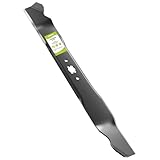
Best Budget GasCraftsman M105 21"
Gas Push, 140cc Briggs & Stratton
Not every lawn justifies a premium mower, and pretending otherwise does readers a disservice. The M105 exists to cut a normal suburban lawn for the least money a gas mower can reasonably cost, and it does that. The 140cc Briggs & Stratton engine started reliably in our testing, cut normal dry grass cleanly at a moderate height, and handled a full quarter-acre lawn without complaint. The 21-inch deck matches premium mowers in width, and 3-in-1 discharge covers mulching, bagging, and side discharge. The compromises show up in exactly the places you would expect. Build quality is a visible step down, with more plastic in the deck housing and handle, and more flex when you lean on it. The engine is rougher and louder than Honda or Toro units, with more vibration transmitted through the handle over a long session. And cut quality degrades faster in difficult conditions: on a damp morning cut it left noticeably more clumping than the Toro Recycler on the same grass. Long-term durability is the real question, and honest reviews suggest this is a mower that serves well for several years rather than the decade-plus a Honda delivers. Framed correctly, that is fine. If you are renting, if the lawn is small, or if a lower up-front cost genuinely matters more than lifetime economics, this is a reasonable and functional choice.
Pros
- Among the least expensive gas push mowers available from a known brand
- 140cc Briggs & Stratton engine is adequate for normal grass and widely serviceable
- 21-inch deck with 3-in-1 mulch, bag, and side discharge
- Simple design with few features to go wrong
- Widely stocked with easily available replacement parts
Cons
- Build quality is visibly a step below Honda and Toro, with more plastic and flex
- Engine is noticeably rougher and louder than premium options
- Cut quality in damp or thick grass leaves more clumping
The Bottom Line
The right buy when you need a working gas mower for the least money. It will not last fifteen years, and it does not cost like it will.

Best for Tiny LawnsSun Joe MJ401E 14" Corded
Corded Electric Push, 12 Amp
Corded mowers have been largely forgotten in the shift to battery, and for a genuinely small lot that is a mistake worth correcting. The MJ401E costs less than a replacement battery for most cordless mowers, weighs around 29 pounds, and never runs out of power partway through the job. For a townhouse yard, a small city lot, or a strip of grass beside a driveway, it does the work for remarkably little money. Its lifetime economics are the best here. There is no battery to lose capacity after four seasons and no replacement pack to buy, and there is no fuel, oil, filter, or spark plug. Sharpening the blade occasionally is essentially the entire maintenance schedule. Combined with a purchase price well below every other powered mower in this guide, the total ten-year cost is not close to any competitor. What you accept is the cord, and it deserves an honest description rather than a footnote. Mowing while managing an extension cord around mature trees, garden beds, and the corners of a house is genuinely awkward, and the technique of working away from the outlet with the cord trailing behind takes practice to make automatic. Reach caps out around 100 feet from an outlet. And a 14-inch deck means even a small lawn takes considerably more passes than a 21-inch mower would. On an open lot of a few thousand square feet, none of that outweighs the value.
Pros
- Never runs out of power, so lawn size is limited only by cord reach
- The cheapest powered mower here, costing less than most mower batteries alone
- Extremely light at around 29 pounds and easy for anyone to push
- No battery to degrade, so purchase price is close to lifetime cost
- Compact enough to hang on a wall or store in a closet
Cons
- The extension cord is a constant nuisance around trees, beds, and corners
- Practical reach limited to roughly 100 feet from an outlet
- 14-inch deck means many more passes than a full-size mower
The Bottom Line
Unbeatable value for a very small, open lot near an outlet. The cord is the whole compromise, and on a tiny yard it is a small one.
4. Deck Width, Cut Quality, and What Actually Shows
Two mowers cutting the same lawn to the same height can produce visibly different results, and the reasons are mostly in the deck rather than the engine.
Deck Width
A wider deck covers more ground per pass and reduces total mowing time, which is why 21 and 22-inch mowers dominate the market. But a wider deck is also heavier, harder to maneuver in tight spaces, and harder to store. On a lot with lots of beds and obstacles, a 20-inch deck often finishes faster in practice than a 22-inch one, because less time goes into repositioning.
Deck Airflow
A well-designed deck creates a vacuum that lifts grass blades upright immediately before they are cut, producing a more even height across the deck width and better mulching. This is the single biggest reason premium mowers cut better than budget ones at the same blade speed, and it is why decks are shaped and baffled rather than being simple flat pans.
Single Blade vs Twin Blade
Twin-blade systems cut clippings a second time before discharge, producing a much finer mulch that settles into the turf instead of sitting on top. The difference is most visible on a damp cut, where single-blade mowers leave rows of wet clumps and twin-blade mowers do not. Honda MicroCut is the best implementation in this guide.
Blade Sharpness Beats Everything
A dull blade tears grass instead of slicing it, leaving frayed tips that brown within a day and give the whole lawn a dull cast. Sharpening once or twice a season costs nothing and improves cut quality more than upgrading from a budget mower to a premium one would. This is the most neglected variable in lawn appearance.
The One-Third Rule
Never remove more than a third of the grass blade height in a single cut. Taking more shocks the plant, forces it to divert energy from root growth to leaf regrowth, and leaves the lawn stressed and prone to weeds. If grass has gotten away from you, cut high, wait three or four days, and cut again rather than scalping it back in one pass.
5. Are Reel Mowers Actually Practical?
Manual reel mowers occupy a strange position: either the best mower someone has ever owned or a purchase abandoned after two weeks, with very little middle ground. The difference is almost entirely about lawn size and mowing discipline.
The cut is genuinely better. A reel mower scissors grass between a spinning reel and a fixed bed knife, producing a clean cut surface rather than the slightly torn one a rotary blade leaves. Cleanly cut grass loses less moisture, browns less at the tips, and recovers faster. This is why golf greens are cut with reel mowers rather than rotary ones.
The effort is real but often overstated. On a lawn cut on a regular schedule at a normal height, a modern reel mower rolls easily and cutting a small lot takes about as long as it would with a powered mower. Most of the reputation for difficulty comes from people using them on grass that has already gotten too tall.
The failure mode is missing a cut. A reel mower simply cannot cut tall grass. The reel pushes long blades forward rather than scissoring them, and the mower rides over the top. Two weeks of spring growth is enough to make it useless until the lawn is reset with a rotary mower. If your schedule is unpredictable, this is a serious limitation.
Weeds and debris stop it. Thick weed stems, dandelion stalks, and any twig thicker than a pencil will jam or bounce over rather than cut. A lawn with significant weed pressure is not a good candidate until the weeds are dealt with separately.
The size ceiling is real. With a 14 to 16-inch cut and a walking pace, anything above roughly 2,000 square feet becomes a genuinely long job. Within that limit, it is quiet, cheap, requires no fuel or charging, and hangs on a garage wall taking almost no space.
6. Mowing Technique That Makes a Push Mower Easier
A push mower rewards technique in a way self-propelled machines do not, because every inefficiency costs you physical effort directly.
Raise the cutting height. Taller grass shades the soil, holds moisture, develops deeper roots, and crowds out weeds, and cutting less material per pass means noticeably less resistance to push. Most cool-season lawns do best at three to four inches, which is higher than most people cut and easier work in every respect.
Mulch instead of bagging where you can. A bag full of wet clippings adds real weight to a mower you are pushing, and it fills fastest exactly when the grass is heaviest. Mulching removes that weight entirely, returns nitrogen to the lawn, and eliminates the stops to empty the bag.
Cut when the grass is dry. Wet grass is heavier, clumps in the deck, sticks to the underside, and increases push resistance substantially. A lawn cut in the late afternoon after dew has burned off takes measurably less effort than the same lawn cut at eight in the morning.
Plan your pattern to minimize turns. Long straight passes with a turn at each end are far less work than a pattern requiring frequent direction changes, because pivoting a mower is where most of the effort goes on a lot with obstacles. Mow the perimeter first, then run long parallel passes inside it.
Keep the deck clean. Packed grass on the underside of the deck restricts the airflow that lifts grass for cutting, which forces the motor to work harder and increases how much you have to push. Scraping the deck out every few mows during heavy growth genuinely reduces effort.
7. Push Mower Maintenance by Power Type
Push mowers have one fewer system to maintain than self-propelled machines, since there is no drive belt, cable, or transmission. What remains is straightforward.
All types: sharpen the blade. Once or twice per season, or immediately after hitting anything solid. Remove the blade with a socket wrench, wedging a block of wood against it to stop rotation, then sharpen with a file or bench grinder maintaining the original angle. Balance it afterward on a nail through the center hole so it does not vibrate.
Gas mowers: fuel is the main enemy. Ethanol-blended gasoline degrades within weeks and gums up small carburetors, which is the single most common reason a mower will not start in spring. Either run the tank dry before storage or add a stabilizer. Change the oil annually, clean or replace the air filter each season, and replace the spark plug every year or two.
Battery mowers: care for the pack. Store at roughly half charge in a temperate place rather than fully charged in a hot garage. Bring packs indoors for winter. Do not spray water into the deck when cleaning, since motors and control boards live in places gas mowers do not put them.
Corded mowers: inspect the cord. Check for nicks and cuts in the insulation before each use, and never mow over the cord, which is easier to do than it sounds. Use an outdoor-rated extension cord of adequate gauge for the length, since an undersized cord causes voltage drop that makes the motor work harder and run hot.
Reel mowers: adjust the bed knife. The reel should just barely contact the bed knife, close enough to scissor cleanly without dragging. Most models adjust with a pair of screws, and the classic test is whether the mower cuts a sheet of paper held between reel and knife. Sharpening kits are inexpensive and needed only every year or two.
Before You Buy
8. Frequently Asked Questions
What is the best push mower?
For most people the EGO Power+ LM2130 is the best push mower, because it cuts like a gas mower while weighing roughly 25 pounds less, which is the specification that matters most in a mower you push yourself. For a gas mower built to last fifteen years, the Honda HRN216PKA is the pick, and for value the Greenworks 48V 20" is hard to beat.
Is a push mower or self-propelled better?
Slope decides it more than lawn size. On flat ground under about a quarter acre, a push mower is lighter, cheaper, easier to pivot around obstacles, and has one fewer system to fail. On any real slope, or for anyone with back, knee, or shoulder limitations, self-propulsion is worth the cost and weight.
How much does a push mower weigh?
Gas push mowers typically run 65 to 72 pounds, battery push mowers 45 to 55 pounds, corded electric mowers around 29 pounds, and manual reel mowers about 19 pounds. The 20 to 30 pound difference between gas and battery is the single biggest factor in how tiring a mower is to push over a full session.
Are reel mowers worth it?
On a lawn under roughly 2,000 square feet that gets cut on a regular schedule, yes. They produce the cleanest cut of any mower type, weigh almost nothing, cost very little, and need no fuel or charging. They cannot cut tall or overgrown grass at all, so missing two weeks of spring growth makes one temporarily useless.
What size lawn can a push mower handle?
A push mower is comfortable up to about a quarter acre on flat ground, and workable up to half an acre for anyone who does not mind the walk. Above half an acre, or on any lawn with real slope, self-propulsion stops being a luxury. Above an acre, a riding mower is the right tool regardless.
How high should I cut my grass?
Most cool-season lawns do best at three to four inches, which is higher than most people cut. Taller grass shades the soil, holds moisture, develops deeper roots, and crowds out weeds, and cutting less material per pass makes a push mower noticeably easier to push. Never remove more than a third of the blade height in one cut.
9. Common Push Mower Mistakes
Push mowers are simple machines, and the mistakes people make with them are correspondingly simple to avoid.
Buying a Heavy Gas Mower for a Small Flat Lot
A 70-pound gas push mower on a quarter-acre flat lawn is significantly more work than a 48-pound battery mower doing the same job, with no cutting advantage at that size. People often conclude they need self-propulsion when what they actually needed was a lighter machine.
Cutting Too Short
Scalping the lawn to stretch the interval between mows backfires completely. Short grass has shallow roots, dries out faster, and lets weed seeds reach sunlight and germinate. Cutting at three to four inches produces a healthier lawn and is easier work, because you are moving less material with every pass.
Bagging Everything Out of Habit
Bagging adds real weight to a mower you are pushing, fills fastest exactly when grass is heaviest, and throws away nitrogen the lawn could reuse. Unless the grass is very tall or you are dealing with disease, mulching produces a better lawn with less effort and no trips to empty a bag.
Storing a Gas Mower With Untreated Fuel
Ethanol-blended gasoline degrades in weeks and gums up carburetors, which is the leading reason mowers will not start in spring. Run the tank dry or add stabilizer before storage, and consider ethanol-free fuel for seasonal equipment. Ten minutes in the fall prevents a repair bill in April.
Related Lawn & Yard Guides
Buyer's Guide
Best Mowers for Small Yards
If your lawn is under a quarter acre, the calculus changes. Here is what fits.
Buyer's Guide
Best Battery Powered Mowers
Cordless platforms compared, plus how to size a battery to your actual lawn.
Buyer's Guide
Best Self-Propelled Mowers
For hills and larger lawns, where a drive system genuinely earns its cost.
The Bottom Line
The best push mower for most flat lots is the EGO Power+ LM2130, because taking 25 pounds out of the machine matters more than any other specification when you are the drive system. For a gas mower to keep for fifteen years, the Honda HRN216PKA cuts the cleanest, and the Greenworks 48V 20" is the value pick for a quarter acre.
And before you pay for self-propulsion, walk the steepest part of your lawn. If you do not slow down going up it, you probably do not need a drive system at all.
More in Lawn & Yard Care
Guides in this category that pair with what you just read.
About the Author
Alex Rivers, Home Improvement Editor
Alex has spent over a decade working on residential and light commercial property maintenance, and now tests every tool, coating and machine that appears in these guides personally.